How Beef Wellington Became a British Classic

From French Technique to British Tradition

Beef Wellington is a dish steeped in history, elegance, and debate. While it is firmly rooted in British culinary tradition, its origins tell a more complex story. Many historians believe the dish evolved from the French filet de boeuf en croûte—a tender fillet of beef wrapped in pastry. Over time, it was adapted and given a British name, likely in honour of Arthur Wellesley, the Duke of Wellington, who defeated Napoleon at the Battle of Waterloo.

Some suggest the golden-brown pastry resembled the Duke’s polished riding boots. Others think the name came from celebratory feasts after his military victories. Whatever the truth, the name stuck, and the dish gained prestige.

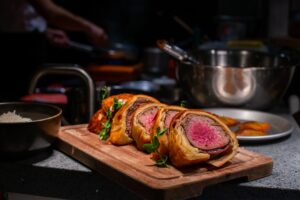
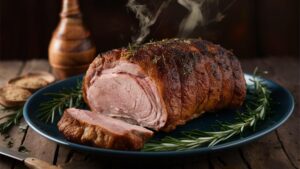
Beef Wellington sliced open to reveal medium-rare beef tenderloin wrapped in golden puff pastry

A Royal and Festive Favourite

In the mid-20th century, Beef Wellington became a hallmark of fine dining in Britain. It appeared on the menus of prestigious hotels, private clubs, and banquet halls. Its combination of rich beef fillet, savoury duxelles, and buttery puff pastry made it the centrepiece of celebrations.

Chefs often prepared it for special occasions, not only for its flavour but for its dramatic presentation. When carved at the table, the sight of pink beef surrounded by layers of mushroom duxelles and golden pastry never failed to impress.

Historic portrait of the Duke of Wellington, inspiration behind the dish’s name

Modern Interpretations

Today, chefs continue to experiment with the concept. Some replace beef with venison, salmon, or vegetarian fillings like beetroot or mushrooms. Others vary the seasoning, pastry type, or accompaniments to suit modern tastes. Yet, the essence of Beef Wellington—luxury wrapped in pastry—remains unchanged.

At home or in restaurants, Beef Wellington continues to be served as a symbol of craftsmanship, indulgence, and British culinary heritage.

The History of Spam: From Wartime Rations to Global Delicacy

The History of Spam: From Wartime Staple to Global Culinary Icon

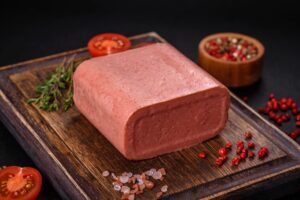
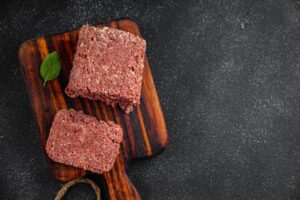
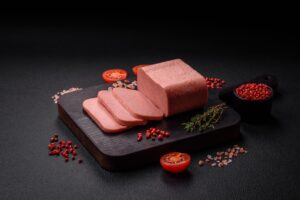
Spam, the iconic canned meat, has had an unexpected journey from wartime necessity to beloved food staple across the world. While some see it as a quirky throwback, Spam’s rich history reveals a versatile product with a profound impact on food culture in many regions.

This blog explores Spam’s origins, its crucial role during World War II, and its enduring presence in contemporary cuisines around the globe.

The Birth of Spam: A Solution to Modern Food Needs

Spam was introduced in 1937 by Hormel Foods, a Minnesota-based company aiming to create an affordable and shelf-stable meat product. Its simple recipe—pork, ham, salt, water, potato starch, and sodium nitrite—was designed to last without refrigeration while retaining a distinctive flavour. The name “Spam” is thought to be a contraction of “spiced ham,” though its exact origin remains a bit of a mystery.

Spam was born into an era when convenience foods were becoming increasingly popular, but it was World War II that propelled the product to international fame, forever cementing its place in history.

Spam During World War II: A Lifeline on the Front Lines

When World War II erupted, Spam’s shelf-stability and portability made it a vital food source for Allied troops. Over 100 million pounds of Spam were shipped abroad to feed soldiers, and it became a staple in military rations. Soldiers often joked about Spam, calling it “ham that didn’t pass its physical,” but they also relied on it for sustenance. British Prime Minister Margaret Thatcher even referred to it as a “wartime delicacy.”

Beyond the battlefield, Spam played a crucial role in feeding populations affected by food shortages. In the United Kingdom, where rationing was in effect, Spam became a dietary staple, providing a much-needed source of protein. American soldiers shared their Spam rations with local communities across Europe and Asia, introducing the product to new audiences who embraced it out of necessity.

Post-War Spam: From Survival Food to Culinary Innovation

After the war, Spam’s popularity didn’t wane; in fact, it became a household name in many of the regions it had reached during wartime. In the United States, its convenience and affordability made it a pantry staple.

Hormel took advantage of its popularity by launching marketing campaigns showcasing Spam’s versatility in recipes like Spam casseroles, sandwiches, and even Spam and eggs for breakfast.

In the UK, Spam continued to be a popular ingredient in dishes like Spam fritters, where battered slices of Spam are deep-fried for a tasty treat. It became a comfort food for many who remembered it as part of their wartime diet.

Spam’s Global Appeal: A Cultural and Culinary Icon

Spam’s adaptability has made it a culinary mainstay in several countries, where it has taken on cultural significance and been integrated into traditional dishes. Here’s a closer look at how different regions have embraced Spam in unique ways:

  • Hawaii: Spam is perhaps more beloved in Hawaii than anywhere else. Introduced to the islands by American troops during World War II, Spam quickly became a local favourite due to its affordability and long shelf life. Today, Hawaii consumes more Spam per capita than any other U.S. state, and Spam musubi—a sushi-like snack of grilled Spam on top of rice, wrapped in seaweed—is a popular item found in convenience stores and restaurants. Hawaii even hosts the annual Spam Jam festival, where creative Spam-based dishes are celebrated.
  • South Korea: Spam arrived in South Korea during the Korean War and initially carried a certain prestige as it was seen as a rare Western delicacy. Over time, Spam became part of Korean cuisine, often given as a gift during holidays like Chuseok (Korean Thanksgiving). One of the country’s most popular dishes featuring Spam is budae jjigae, or “army stew,” a spicy hotpot that mixes Spam with ingredients such as kimchi, instant noodles, and tofu—a nod to its origins in post-war food scarcity.
  • The Philippines: Introduced during World War II, Spam remains popular in the Philippines, where it is often enjoyed fried with garlic rice and a fried egg for a breakfast dish known as “Spam silog.” Its versatility means it also appears in sandwiches, pasta, and local favourites, serving as a beloved reminder of shared history.
  • United Kingdom: In the UK, Spam gained popularity during rationing and maintained its presence in British cuisine long after the war. Spam fritters became a traditional dish, where slices of Spam are battered and fried. For many, these fritters are a nostalgic comfort food that harkens back to simpler times.

Pop Culture and Spam’s Quirky Legacy

Spam’s ubiquity has also given it a place in pop culture. The most famous example is the Monty Python “Spam” sketch from 1970, which humorously depicted a restaurant where every dish contained Spam, poking fun at its widespread use. This sketch is credited with popularising the term “spam” to describe unwanted digital communication, cementing Spam’s cultural significance in both culinary and linguistic terms.

Modern-Day Spam: A Revival of Nostalgia and New Uses

Spam has seen a resurgence in recent years, driven by trends in comfort food, nostalgic cooking, and an increased appreciation for canned goods during crises like the COVID-19 pandemic. Many chefs have embraced Spam’s unique flavour and texture, incorporating it into gourmet dishes and fusion cuisine. It is no longer just a wartime staple but a versatile ingredient that continues to inspire creativity in kitchens worldwide.

From Necessity to Culinary Innovation

Spam’s journey from a wartime ration to a global culinary icon is a testament to its resilience and adaptability. Whether it’s served up as a Hawaiian musubi, a Korean army stew, or a classic British fritter, Spam continues to surprise and delight those who appreciate its unique history and versatile nature. What began as a practical solution during difficult times has evolved into a beloved food that spans cultures and generations.

In the end, Spam’s story is not just about a can of meat, but about the people who found ways to turn necessity into culinary creativity, making Spam a lasting symbol of resilience and adaptability.

UK Sausage Week 2024: A Showcase of Sausage Craftsmanship

The countdown begins for UK Sausage Week 2024.

Running from Monday, 28th October to Sunday, 3rd November 2024, the week will see butchers, wholesalers, caterers, and food lovers across the country come together to celebrate one of the nation’s favourite foods: the sausage!

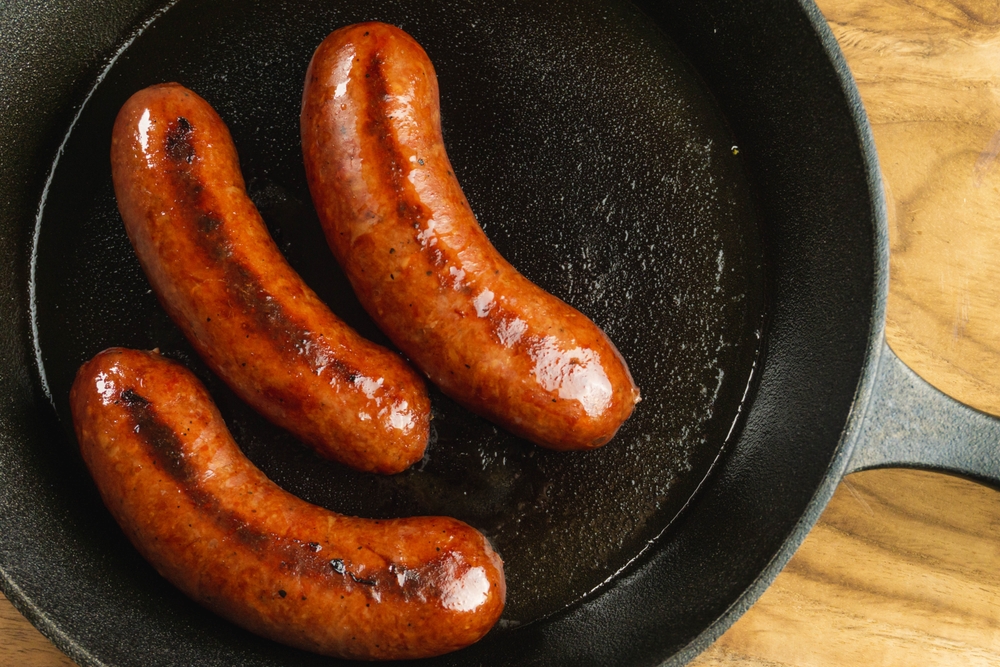
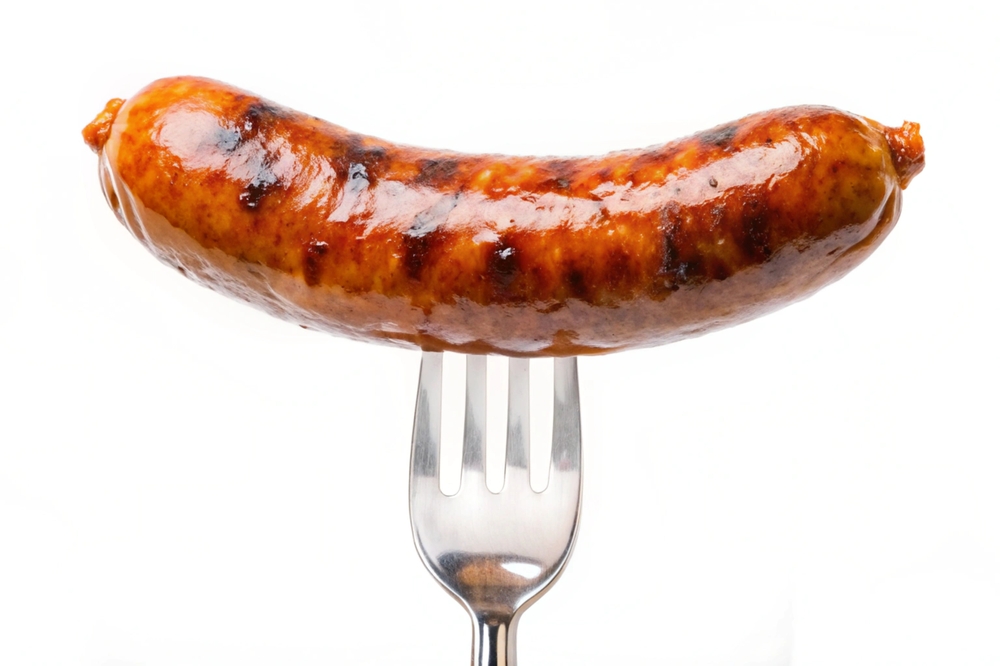
UK Sausage Week has long been a celebration of both traditional British bangers and innovative new flavours, highlighting the craftsmanship of the UK’s finest sausage producers. It’s a week dedicated to celebrating the diversity of this humble food, with everything from pork and Cumberland sausages to gourmet, vegetarian, and even plant-based varieties being thrust into the spotlight.

Sausage Producers Prepare for the Big Week

The country’s top butchers and producers are preparing to showcase their best creations, with many launching limited-edition sausages and offering exclusive promotions. This year promises to be bigger than ever, as demand for quality sausages continues to rise in both retail and food service sectors.


Key players in the meat trade, including Meatex Ltd, are gearing up to supply wholesalers, caterers, and retail butchers with the best sausage products. Meatex is known for securing top-quality meats at competitive prices, and the company is planning special promotions to mark the occasion. “UK Sausage Week is a fantastic opportunity for us to connect with our customers and celebrate the great British sausage,” says Dave from Meatex. “We’ll be offering a range of deals on sausages and highlighting some exciting new flavours.”

Sizzling Competitions and Awards

A highlight of the week will be the prestigious UK Sausage Week Awards, where the best bangers in the country will be crowned. Categories include Best Traditional Sausage, Best Innovative Sausage, and even Best Vegetarian Sausage, reflecting the growing popularity of meat-free alternatives. Butchers, suppliers, and retailers will compete for these coveted titles, with winners gaining nationwide recognition.

Get Involved in UK Sausage Week 2024

For sausage fans across the UK, this week is a chance to indulge in all things sausage, whether that’s trying new recipes, supporting local butchers, or discovering new flavours. Restaurants and pubs are also getting in on the action, with many planning sausage-themed menus and events.

As the countdown to UK Sausage Week 2024 begins, there’s no better time to start planning how you’ll get involved. Whether you’re a supplier, a caterer, or just a sausage enthusiast, mark your calendars for a week of sizzling celebrations!

Let the sausage fest begin!

The Rise of Raw Pet Food: What’s Behind the Trend?

In recent years, the pet food industry has seen a significant shift towards raw feeding, with more and more pet owners swapping traditional kibble for fresh, raw ingredients. Known as the “raw food diet,” this approach mimics what animals would eat in the wild, offering pets a diet made up of raw meat, bones, vegetables, and sometimes organs. But what’s driving this growing trend, and is it really better for our pets? Let’s dive into the rise of raw pet food and explore its potential benefits and drawbacks.


What is the Raw Food Diet for Pets?

The raw food diet, sometimes referred to as BARF (Biologically Appropriate Raw Food or Bones and Raw Food), is designed to replicate the natural diet of dogs and cats before the advent of commercial pet foods. This means feeding them a diet primarily made up of raw, unprocessed meat, bones, and offal, sometimes complemented with vegetables and fruits.

For dogs, this often includes raw muscle meat, whole or ground bones, organ meats like liver, and eggs. Some diets may incorporate fruits and vegetables like spinach, carrots, and apples. Cats, being obligate carnivores, typically require a higher meat-to-vegetable ratio, with an emphasis on muscle meats and organs.

Why Has Raw Feeding Become So Popular?

The raw pet food trend has gained momentum for several reasons, primarily driven by pet owners’ desire to provide a more natural, wholesome diet for their animals. Here are some of the key reasons behind its growing popularity:

  • Perceived Health Benefits: Many raw feeders believe that feeding pets a diet closer to what they would naturally eat can lead to improved health. Supporters of raw diets claim that it promotes shinier coats, healthier skin, cleaner teeth, increased energy levels, and even better digestion. Some pet owners have turned to raw feeding after noticing their pets suffer from allergies or digestive issues on traditional kibble.
  • Quality Control: One major appeal of raw feeding is the control it gives owners over what goes into their pets’ meals. With increasing concerns over the quality of some commercial pet foods, including additives, preservatives, and low-quality ingredients, raw feeding offers transparency. Owners can ensure their pets are getting high-quality, fresh ingredients.
  • A Trend Towards Personalised Nutrition: Just as people are becoming more mindful of their own diets, they are increasingly applying the same principles to their pets. Personalised nutrition is on the rise, and raw feeding offers a more tailored approach that can be adjusted to meet individual pets’ needs.

Potential Benefits of Raw Feeding

Advocates of raw feeding point to several potential benefits that might explain its growing popularity:

  • Improved Coat and Skin Health: Many pet owners report seeing improvements in their pets’ coats and skin after switching to a raw diet. Raw meat contains higher levels of natural oils and fats, which can contribute to a shinier coat and reduce skin irritation.
  • Cleaner Teeth and Better Oral Health: Chewing on raw bones is believed to help reduce plaque and tartar build-up, leading to healthier gums and cleaner teeth. This natural dental care may reduce the need for professional cleanings and help prevent periodontal disease.
  • Higher Energy Levels: Some raw feeders have noted that their pets seem more energetic and lively after making the switch. This could be due to the absence of fillers found in some commercial pet foods, which may leave pets feeling sluggish.
  • Smaller, Firmer Stools: Raw feeding is thought to result in smaller, less odorous stools, as raw diets are more digestible, with fewer fillers that create excess waste.

Concerns and Controversies

Despite the many perceived benefits, raw feeding is not without its controversies and potential drawbacks. Veterinarians and pet nutritionists often raise concerns about the safety and nutritional balance of raw diets.

  • Nutritional Imbalance: A major concern with raw feeding is the potential for unbalanced meals. Without careful planning, pets may miss out on essential nutrients, such as calcium and certain vitamins, which are critical for their health. This is particularly risky for growing puppies and kittens, who have very specific dietary needs. While some commercial raw pet foods offer balanced formulations, homemade diets require careful research and planning.
  • Risk of Bacterial Contamination: Raw meat can carry bacteria like Salmonella and E. coli, which pose a risk to both pets and their owners. While pets have stronger stomach acid that may protect them from some bacteria, there’s still a risk of infection. Handling raw meat also increases the chance of spreading bacteria in the home, which is a concern for households with young children or immunocompromised individuals.
  • Bone-Related Injuries: Raw bones, while helpful for oral health, can also be a hazard. Bones that are too hard can cause dental fractures, while smaller bones can pose a choking risk or lead to internal injuries if they splinter.

pet food

Is Raw Feeding Right for Your Pet?

Deciding whether to switch your pet to a raw food diet is a personal choice and should involve careful consideration of your pet’s needs, lifestyle, and any health conditions they may have. While many pets thrive on a raw diet, it’s not necessarily the best option for every animal.

If you’re considering raw feeding, it’s essential to consult with a veterinarian or pet nutritionist to ensure your pet’s diet is nutritionally balanced. There are also commercial raw pet food brands available that offer complete and balanced options, reducing the risk of nutrient deficiencies.

A Growing Trend with Room for Caution

The rise of raw pet food is part of a broader trend towards more natural, health-conscious pet care. While many owners report improvements in their pets’ health, raw feeding comes with its own set of challenges, particularly in terms of safety and nutritional balance.

If you choose to explore raw feeding, it’s essential to do your research and ensure you’re providing your pet with a balanced, safe diet. Whether raw or cooked, the most important thing is to ensure your pet is getting the nutrients they need to live a long, happy, and healthy life.

Read More:

Salmonella rising in British raw meat pet food

Why Pork Deserves a Prime Spot on Your Table

When it comes to versatile and flavour-packed meats, pork often flies under the radar. While beef, chicken, and lamb tend to get all the glory, pork has been a culinary staple for centuries—and for good reason. Whether you’re a fan of rich, slow-cooked belly, juicy pork chops, or crispy crackling, pork offers a range of cuts and cooking methods that suit any occasion. Let’s take a closer look at why pork deserves a prime spot on your table, and how it can elevate your meals from the everyday to the extraordinary.

A Versatile Meat for All Occasions

One of the key reasons pork is so beloved by chefs and home cooks alike is its incredible versatility. There’s a cut of pork for nearly every cooking style and occasion. Pork shoulder, for example, is perfect for slow-cooking, resulting in succulent pulled pork that’s ideal for sandwiches, tacos, or served as part of a hearty meal. Pork tenderloin, on the other hand, offers a lean, tender option that’s quick to cook and easy to pair with a variety of sauces and sides.

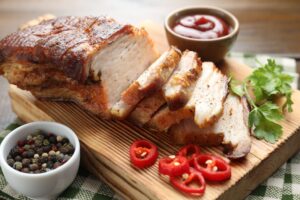
For a more indulgent meal, roast pork belly—with its crispy crackling and juicy interior—provides a perfect centrepiece for a Sunday roast or special occasion. And let’s not forget the simple pork chop: whether grilled, fried, or roasted, it delivers a juicy, flavourful bite every time. No matter what you’re cooking, pork can be the star of the show.

Flavour Like No Other

Pork’s mild, slightly sweet flavour profile makes it the perfect canvas for a wide range of seasonings and marinades. From classic British roast pork seasoned with herbs like sage and rosemary, to spicy barbecue pork ribs slathered in smoky sauce, the possibilities are endless. Pork is one of those rare meats that pairs beautifully with both sweet and savoury flavours. Think apples and cider, mustard and honey, or even Asian-inspired glazes like soy, ginger, and garlic.

Moreover, different cuts of pork offer varying flavour profiles. The fattier cuts, like pork belly and shoulder, boast a rich, almost buttery flavour when slow-cooked, while leaner cuts like tenderloin are more delicate and refined. With pork, you can tailor your dish to your personal taste preferences, knowing you’ll end up with a satisfying result every time.

An Affordable Choice Without Compromising on Quality

While some premium meats can put a dent in your wallet, pork is a more affordable option that doesn’t compromise on quality. Pork offers excellent value for money, especially when considering its versatility and the range of dishes you can create from a single cut. From a simple weeknight dinner to a festive family gathering, pork provides an economical yet delicious solution that doesn’t require extravagant preparation.

For those looking to stretch their budget further, pork’s ability to be transformed into a variety of products, such as sausages, bacon, and ham, adds even more value. These pork products can be enjoyed in countless dishes, from hearty breakfasts to gourmet dinners, making pork a staple ingredient in kitchens around the world.

Health Benefits You Might Not Expect

While pork has sometimes received a bad reputation for being high in fat, it can actually be a healthy addition to your diet when enjoyed in moderation. Lean cuts like pork loin and tenderloin are relatively low in fat and are excellent sources of high-quality protein, essential for muscle growth and repair. Pork is also rich in important vitamins and minerals, including B vitamins (especially B6 and B12), zinc, and iron, all of which are vital for maintaining a healthy body.

Modern pork farming practices have also focused on producing leaner meats, meaning you can enjoy a range of pork dishes without worrying too much about excessive fat content. By selecting leaner cuts and trimming any visible fat, you can enjoy pork as part of a balanced diet.

A Sustainable Choice for the Conscious Consumer

Pork production has made significant strides in sustainability over recent years. Many farms are now focusing on more eco-friendly and humane farming practices. In the UK, for example, Red Tractor certification ensures that pork is produced with a focus on animal welfare, environmental responsibility, and food safety. By choosing responsibly sourced pork, you can enjoy your meals knowing that the meat on your plate has been produced ethically and sustainably.

Local sourcing is also a great way to support sustainability. The UK is home to many high-quality pork producers, offering everything from traditional breeds to organic options. Buying locally not only supports British farmers but also reduces the carbon footprint associated with transporting meat across long distances.

Two black and white pigs with spots in a field

Whether you’re looking to create a simple, flavourful meal or a gourmet feast, pork should be at the top of your list. Its versatility, affordability, and flavour make it a staple ingredient in kitchens around the world. From the juicy tenderness of pork loin to the rich indulgence of slow-cooked belly, pork offers something for everyone. And with leaner cuts and sustainable farming practices, it’s easier than ever to enjoy pork as part of a healthy and responsible diet.

Next time you’re planning a meal, consider giving pork a prime spot on your table. You might just discover your new favourite dish.

Delicious Pork Recipes:

Sweet chilli-glazed pigs in blankets

Slow-roast rolled pork belly

Sticky five-spice pork belly with ginger & plums

Pork medallions

https://meatex.co.uk/product-category/pork/

Tired of Turkey? Delicious Main Course Ideas for Christmas

For many, the centrepiece of Christmas dinner is the iconic roasted turkey. Yet, not everyone is a fan, and for those looking to switch things up or cater to different tastes, there are plenty of equally festive and mouth-watering alternatives. Whether you’re planning a more intimate meal or seeking to impress your guests with something special, these alternatives to turkey will ensure your Christmas dinner is memorable and delicious.

Beef Wellington: An Elegant Showstopper

If you’re aiming for a luxurious and visually impressive centrepiece, beef Wellington is a superb choice. This classic dish features tender fillet steak wrapped in a layer of mushroom duxelles (a finely chopped mixture of mushrooms), topped with rich pâté, and encased in a buttery puff pastry. When baked to golden perfection, the pastry adds a wonderful crunch, while the beef inside remains tender and juicy.

Beef Wellington offers a dramatic presentation and pairs beautifully with seasonal sides like roasted root vegetables or creamy mashed potatoes. You can also add a festive touch by serving it with a rich red wine sauce or a decadent gravy. The best part? Beef Wellington can be prepared ahead of time, allowing you more time to relax with your guests on the big day.

Roast Lamb: A Bold and Hearty Choice

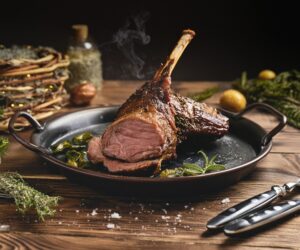
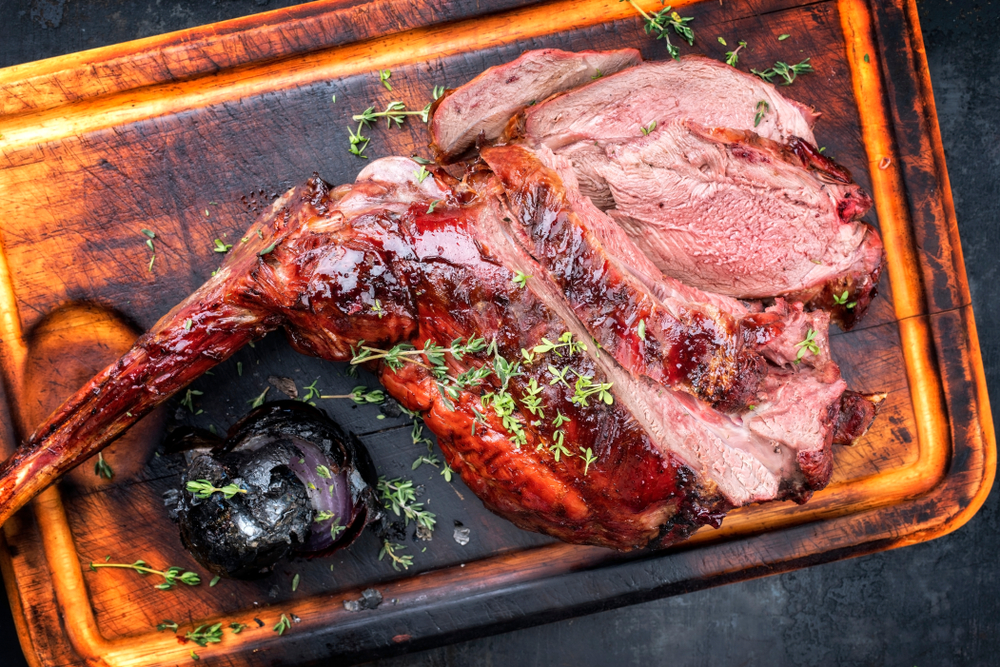
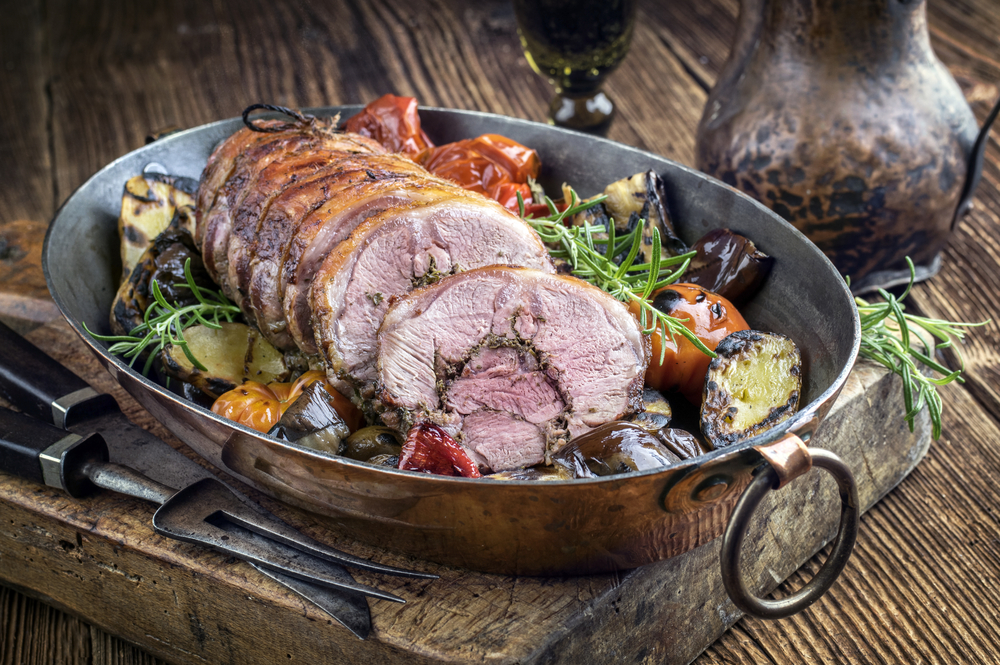
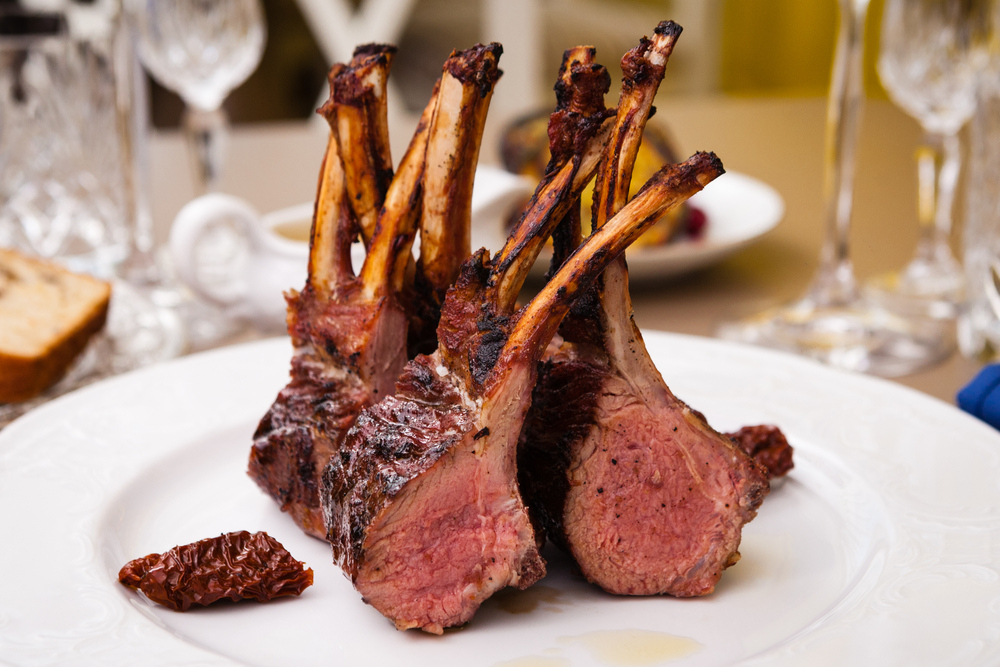
For those who crave bold flavours, roast lamb offers a rich, gamey alternative to turkey. Its natural fat content keeps the meat moist and succulent while delivering a depth of flavour that’s perfect for a festive occasion. A leg of lamb, slow-roasted with garlic, rosemary, and thyme, can be a true crowd-pleaser. You might also opt for a lamb crown roast, which not only looks stunning on the table but also allows for easy carving and serving.

Lamb pairs exceptionally well with classic Christmas sides such as roasted parsnips, Brussels sprouts, and even a mint or redcurrant sauce to add a hint of sweetness. It’s an ideal option for smaller groups or those wanting a unique yet traditional roast.

Glazed Ham: Sweet and Savoury Perfection

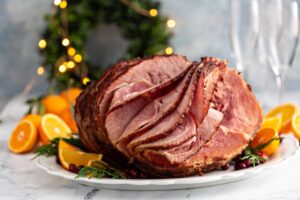
A glazed ham is another excellent alternative to turkey, offering a wonderful balance of sweet and savoury flavours. Coated in honey, maple syrup, mustard, or even brown sugar, a glazed ham delivers both richness and a delightful caramelised exterior. Whether slow-cooked or roasted, this option is particularly versatile and can be served warm or cold.

Ham is perfect for large gatherings, as it’s easy to carve and can be served in generous portions. It also holds up well for leftovers, making it a great choice for Boxing Day sandwiches or other meals throughout the holiday season. Pair your ham with festive sides like cranberry sauce, spiced red cabbage, or buttery mashed potatoes for a truly satisfying Christmas spread.

Roast Duck: A Rich, Gamey Alternative

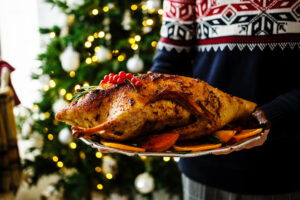
Roast duck is a more indulgent and flavourful alternative to turkey, offering a rich, slightly gamey taste. Duck has a higher fat content than turkey, which keeps the meat juicy and tender while producing a wonderfully crispy skin when roasted. The key to a perfect roast duck is slow-cooking it to render the fat, ensuring the meat remains succulent without becoming greasy.

For a festive twist, serve your roast duck with a fruit-based sauce, such as orange, cherry, or plum, which complements its natural richness. Accompany it with roasted vegetables, crispy potatoes, and perhaps a zesty salad to balance the flavours. Duck is an ideal choice for smaller Christmas dinners and provides a touch of luxury to the holiday meal.

Pork Loin or Belly: Crispy and Juicy Festive Options

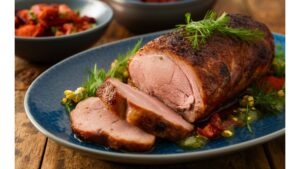
Roast pork is a classic choice for a hearty Christmas dinner, and both pork loin and pork belly offer a delicious alternative to turkey. Pork loin, when cooked properly, is tender and lean, while pork belly delivers a melt-in-the-mouth texture thanks to its fat content. Both cuts produce a crispy, crackling crust that provides a satisfying contrast to the soft, juicy meat underneath.

To make your roast pork festive, you can stuff a pork loin with dried fruits like apricots or prunes, or with a herby stuffing to enhance the flavours. For a pork belly, slow-roasting is key to rendering the fat and creating a deliciously tender main course. Serve it with classic accompaniments like apple sauce, sage and onion stuffing, and roasted vegetables.

Seafood Options: A Taste of the Coast at Christmas

For a lighter yet still festive alternative, consider incorporating seafood into your Christmas menu. A whole roasted salmon or a salmon en croûte (salmon wrapped in puff pastry) can be a showstopping main course, offering delicate flavours that pair well with lemon, dill, and seasonal vegetables.

If you’re feeling adventurous, you could also serve a seafood platter, featuring lobster, prawns, oysters, and crab. While seafood is less traditional for Christmas in the UK, it’s a popular choice in other parts of the world and can bring a fresh, sophisticated twist to your holiday feast.

Crafting a Unique and Memorable Christmas Dinner

While turkey is the traditional choice for many, embracing an alternative main course can add excitement, variety, and a personal touch to your Christmas meal. Whether you’re drawn to the elegance of beef Wellington, the bold flavours of roast lamb, or the indulgence of glazed ham, there are countless ways to create a festive feast that reflects your tastes and preferences.

By selecting one of these delicious alternatives, you can break away from tradition and create a Christmas dinner that’s truly unique and memorable for you and your loved ones. After all, the heart of the holiday meal is sharing good food with good company, and any of these alternatives will ensure your Christmas table is a celebration of flavour, warmth, and festivity.

Fray Bentos: The History and Rise of an Iconic Brand

The Story of Fray Bentos: From Beef Boom to Iconic Brand

Fray Bentos is a brand that has become synonymous with hearty pies and canned meats. Its story is rich in history, innovation, and international connections. Originating in South America, it has evolved into a household name in the UK and beyond.

The Birthplace: Fray Bentos, Uruguay

The story begins in the mid-19th century, in the small town of the same name on the banks of the Uruguay River. Fray Bentos, Uruguay.

In 1863, a German chemist named Justus von Liebig and his colleague George Christian Giebert founded the “Liebig Extract of Meat Company” in Fray Bentos. Their goal was to produce high-quality, concentrated beef extract to feed growing European populations.

At a time when food preservation was a major challenge, Liebig’s meat extract became an essential product, prized for its nutritional value and long shelf life. This would lay the foundation for the creation of the brand.

the old Fray Bentos factory

Fray Bentos and the Meat Industry Boom

The Liebig Extract of Meat Company quickly gained international recognition for its products. As European demand for preserved meat grew, Fray Bentos, Uruguay, became the heart of the meatpacking industry.

Thousands of cattle were processed daily, and Fray Bentos became known as “The Kitchen of the World.”

By the early 20th century, The company had expanded its offerings to include canned corned beef. This iconic product would soon become a staple in homes and military rations during both World Wars. The brand’s reliable, nutritious, and long-lasting products made it a popular choice in the UK. Thus, it cemented its place in British food culture.

During the 1960s, Fray Bentos diversified its product range further. It introduced a line of canned pies. The Fray Bentos pie quickly became an iconic British convenience food.

These pies, known for their crisp, flaky pastry and hearty fillings, resonated with consumers who were looking for a quick, easy-to-prepare meal.

Over the decades, Fray Bentos pies became synonymous with British comfort food. This gain led to a loyal following across the country.

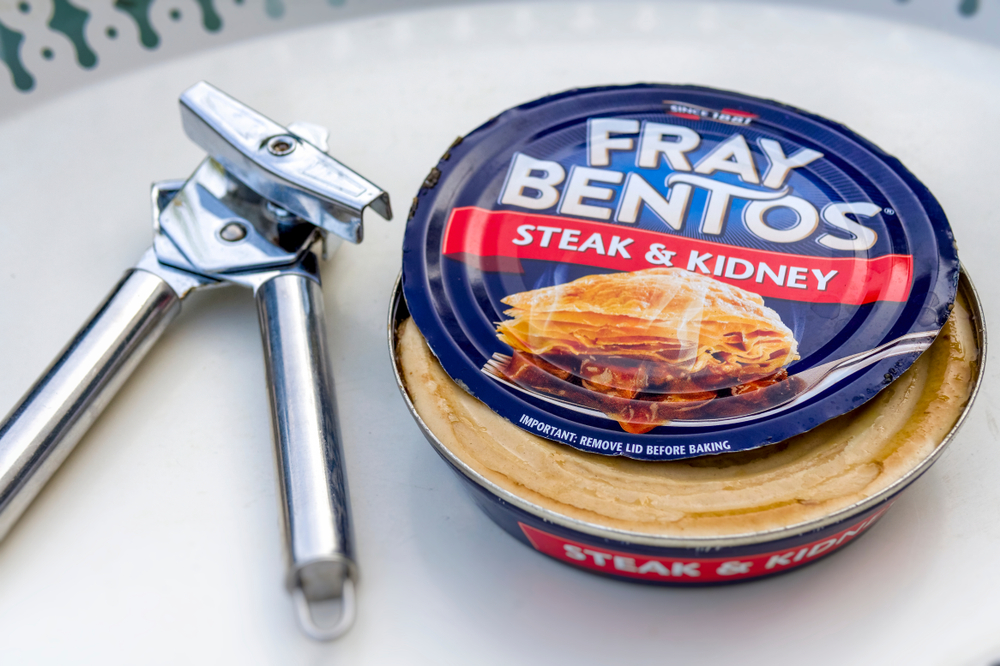
Fray Bentos Classic Steak & Kidney Pie

The popularity of Fray Bentos pies peaked in the 1970s and 1980s, during which time they were a staple in British households. The pies’ long shelf life, affordable price, and satisfying portions made them ideal for working-class families, cementing Fray Bentos as a go-to brand.

As consumer preferences shifted towards fresh and healthier foods in the late 20th century, Fray Bentos faced challenges. It worked to maintain its position in the market. However, the brand’s ability to adapt and evolve allowed it to remain relevant.

Today, the company offers a variety of pie fillings, including vegetarian options. Thus, it caters to a broader range of dietary preferences.

The brand has also modernised its packaging and marketing to appeal to younger generations. Yet, it maintains its classic, nostalgic appeal for older consumers.

A Brand That Stands the Test of Time

Despite changes in the global food industry and evolving consumer preferences, Fray Bentos remains an enduring brand. Its products are still widely available in supermarkets across the UK. Additionally, its loyal customer base continues to grow.

For many, a Fray Bentos pie is more than just a meal – it’s a slice of nostalgia.


Why Venison Deserves a Spot on Your Table

Why Venison Deserves a Spot on Your Table: A Delicious and Sustainable Choice

When it comes to choosing meats for your next meal, venison might not be the first option that comes to mind. However, it’s a meat that is becoming increasingly popular, and for good reason.
One of the most significant reasons people are turning to venison is because of its nutritional profile. Venison is much leaner than most other red meats, particularly beef.

For those who are conscious of their fat intake or are looking to maintain a healthier lifestyle, this makes venison an ideal option.

Venison is packed with protein, which is essential for muscle repair and growth. In fact, a serving of venison provides more protein per ounce than most other meats.
It is also a great source of essential vitamins and minerals, particularly B vitamins (B6 and B12), iron, phosphorus, zinc, and niacin, all of which support energy production and overall bodily function.

If you’re a fan of rich, gamey flavours, venison will not disappoint. The taste of venison is often described as more intense and earthier than beef, making it perfect for those who appreciate robust flavours.

Venison can be used in a variety of dishes, from slow-cooked stews to grilled steaks or even ground venison burgers. Its unique flavour pairs well with a wide range of herbs, spices, and sauces, allowing for creative culinary experimentation.
The seasonal nature of venison means it is often consumed during autumn and winter, when comfort foods and hearty meals are in high demand. Its rich taste makes it an excellent choice for festive dishes and special occasions.

Most venison is sourced from wild or free-range deer populations, particularly in the UK. This means that venison is not farmed in the traditional sense, reducing the environmental toll associated with factory farming. Deer are allowed to roam freely, grazing on natural vegetation without the need for deforestation or intensive agriculture.

By choosing venison, you’re often supporting local businesses and rural economies. In regions where deer hunting is carefully regulated, venison sales provide income for small-scale farmers, butchers, and artisanal food producers. This helps sustain local economies and preserves traditional hunting and food production methods.

You might associate omega-3 fatty acids with fish, but venison also contains a notable amount of these healthy fats, especially compared to other red meats. Omega-3s are essential for maintaining heart health, reducing inflammation, and supporting brain function.


Venison is an excellent choice for those following special diets, including Paleo, Keto, and gluten-free diets. Since venison is naturally lean and nutrient-dense, it aligns well with these eating plans that focus on whole, unprocessed foods. It is also a great option for people with food sensitivities or allergies, as it is less likely to be processed with additives or preservatives.

Venison deserves a spot on your table for its rich flavour, impressive nutritional profile, and ethical and sustainable sourcing. If you want to try something new and delicious, venison ticks all the boxes.

So next time you’re planning your weekly menu or preparing a special meal, consider adding venison to the list—you won’t regret it!

Delicious Venison Recipes

https://meatex.co.uk/product-category/game/

Why Lamb Deserves a Spot on Your Table

When it comes to culinary delights, lamb stands out as a uniquely versatile and delicious option among meats.
Whether you’re hosting a lavish dinner party or enjoying a family meal, incorporating lamb into your menu not only elevates the dining experience but also offers a plethora of health benefits.
Nutritional Benefits
Lamb is a nutritional powerhouse, offering significant health benefits beyond its delightful taste. A 100-gram serving provides approximately 25 grams of high-quality protein, essential for muscle growth, repair, and overall health.
In addition to protein, lamb is a rich source of vital vitamins and minerals. It boasts high levels of vitamin B12, crucial for nerve function and DNA production, zinc, which plays a key role in immune function and wound healing, and iron, necessary for oxygen transport in the blood.
This makes lamb an excellent choice for individuals with dietary restrictions or those seeking a nutrient-dense addition to their diet.
The Unique Flavour Profile of Lamb
Unlike other meats, lamb possesses a distinct richness that can be attributed to its fat content, which varies depending on the breed and the way it is raised. The taste can range from mild to robust, offering an exquisite depth that pairs beautifully with a variety of herbs and spices.
The aroma of lamb when cooked is simply irresistible. It can evoke memories of traditional family gatherings and special occasions.
The versatility of lamb means it can be prepared in numerous ways, whether it’s slow-roasted, grilled, or braised. Each cooking method brings out different facets of its flavour, making it an exciting ingredient to work with in the kitchen.
Various Cuts of Lamb and Their Best Uses
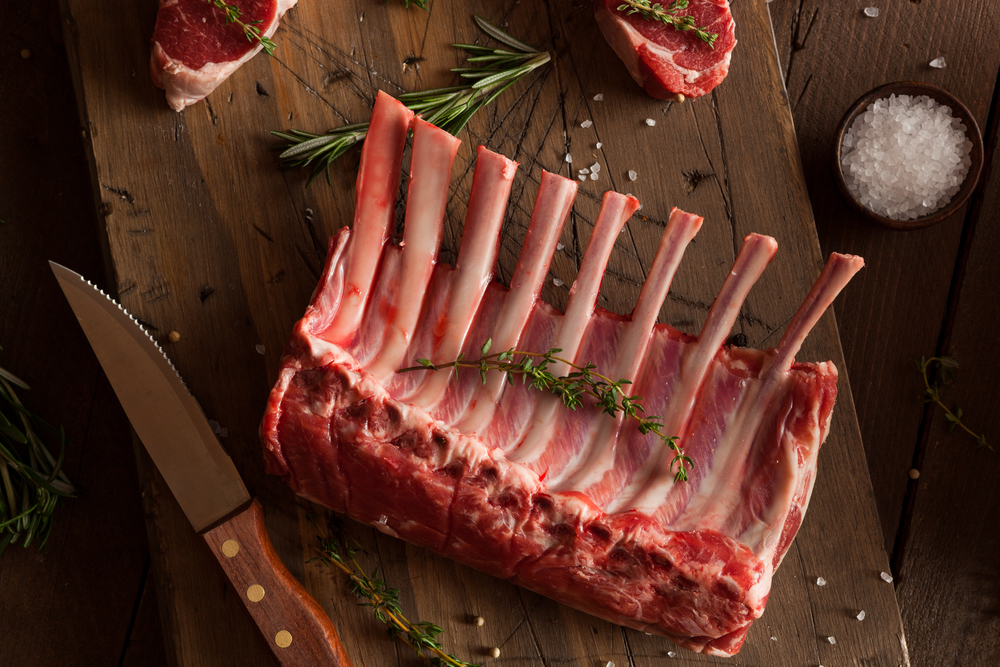
Lamb offers an array of cuts, each uniquely suited for different culinary delights. Lamb chops, for example, are excellent for grilling and can be marinated to bring out their natural flavours.
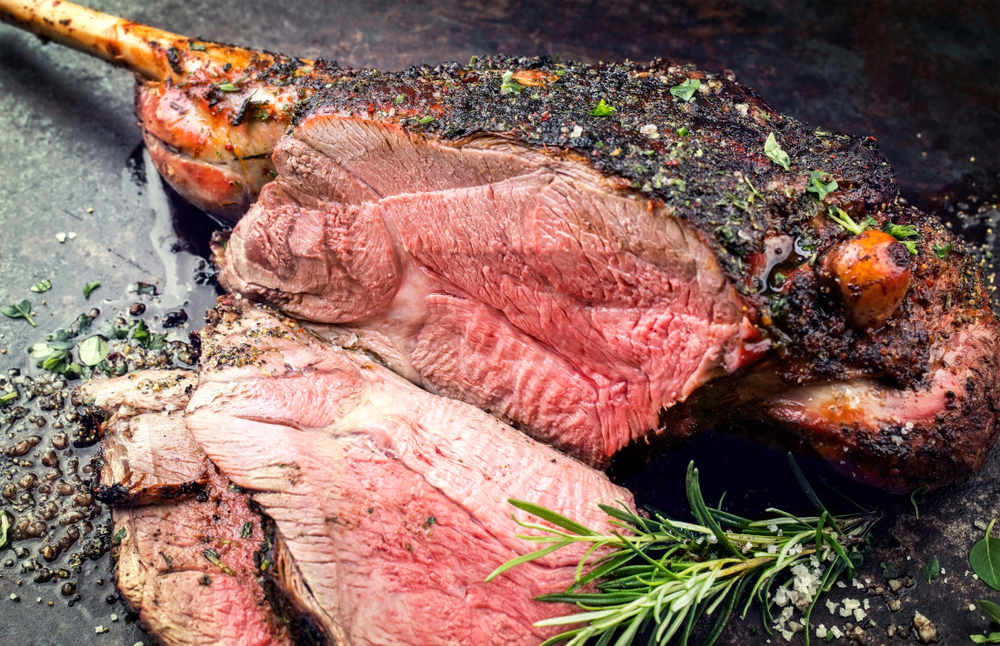
The leg of lamb is a favourite for roasting, making it the centrepiece of festive meals, whilst lamb shanks transform into melt-in-your-mouth goodness when slow-cooked.
For those who love hearty stews or curries, the shoulder of lamb, a more budget-friendly option, excels with its rich, robust flavour.
Lamb loin, a leaner cut, is ideal for quick cooking methods like pan-searing, offering a tender and juicy result.
Cultural Significance and Traditions 
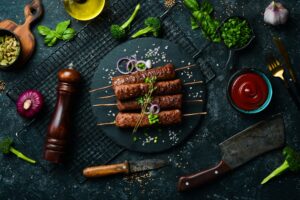
Lamb holds a cherished place in many culinary traditions, often serving as the centrepiece for celebrations and festivals. In Mediterranean and Middle Eastern cultures, lamb is a staple in dishes like kebabs, tagines, and stews, symbolising communal eating and togetherness.
In Europe, particularly in countries like Greece and Italy, lamb is synonymous with festive gatherings. Easter celebrations frequently feature roast lamb, symbolising renewal and sacrifice in Christian tradition.
In Islamic traditions, lamb is particularly significant during Eid al-Adha. Families come together to share lamb dishes, and a portion of the meat is often donated to those in need, reinforcing values of charity and compassion.
Lamb‘s cultural resonance extends to India, where it is a key ingredient in many regional cuisines. Dishes like biryani and Rogan Josh showcase lamb‘s versatility and its ability to absorb intricate spice blends, resulting in complex, mouth-watering flavours.
The cultural significance of lamb around the world highlights its role not just as a meal, but as a symbol of unity, tradition, and shared heritage.
Delicious Lamb Recipes
From sophisticated dinners to comforting home meals, lamb can be the star of any occasion. Here are a few delightful recipes to inspire your culinary adventures:
Pairing Lamb with Wines and Side Dishes
Pairing lamb with the right wines and side dishes can elevate your dining experience to new heights. For red wine enthusiasts, options like Cabernet Sauvignon, Syrah, or Merlot bring out the meat’s rich and complex flavours.
If you prefer white wine, a full-bodied Viognier can offer a refreshing balance to lamb’s robust taste.
When it comes to side dishes, consider options that complement the succulent nature of lamb. Roasted root vegetables, such as carrots and parsnips, bring a touch of earthy sweetness, while creamy mashed potatoes provide a comforting contrast.
Fresh salads featuring seasonal greens and herbs like mint and rosemary can add a vibrant and aromatic element to your meal.For an added layer of sophistication, incorporate ingredients that harmonise well with lamb.
Garlic and rosemary are classic pairings that can be infused into side dishes or used as marinades.
Mint sauce or jelly is another traditional accompaniment that provides a refreshing counterpoint to lamb’s richness. By thoughtfully pairing lamb with complementary wines and sides, you can create a well-rounded and unforgettable culinary experience.


From Soho to Everywhere: The Rise of the Kebab Shop in the UK

The Rich History of the Kebab Shop

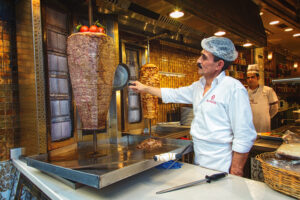
Nestled in the bustling streets of London, the first Turkish Restaurant in the UK began trading in 1940s Soho as The Istanbul. The kebab shop has become a cornerstone of culinary heritage and others like it only flourished in the 1970s.

Founded by a Turkish immigrant, the shop initially catered to a small but growing community eager for authentic tastes from the homeland.  Over the decades, it has adapted to changing palates whilst staying true to its traditional recipes.

The kebab shop is more than just a place to eat; it is a vibrant community hub where stories, cultures, and flavours intermingle. The shop has seen generations of customers, from students seeking a late-night snack to families enjoying a casual meal.
The owner, now in his twilight years, fondly recounts how the shop has played a pivotal role in popularising kebabs in the UK, transforming from a niche ethnic eatery to a beloved national institution.

As the years have passed, the shop has evolved but never strayed from its core values of authenticity and quality. Its enduring popularity serves as a testament to the rich, multicultural tapestry of British cuisine, underscoring the profound impact of immigrant contributions on the nation’s food culture.

Journey to the UK: How the Kebab Made Its Way Over Here

The journey of the kebab to the UK is a fascinating one, steeped in history. The origins of kebabs can be traced back to the Middle East, where various forms of skewered and grilled meat have been enjoyed for centuries.

As Turkish, Cypriot and Kurdish migrants began to arrive in the UK in the post-war period, they brought with them their culinary traditions, including the iconic kebab.

By the 1960s, kebabs started gaining popularity in urban centres, particularly in London, where the melting pot of cultures allowed for culinary experimentation and innovation.

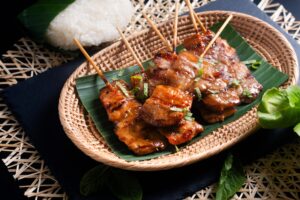
The 1970s saw the rise of the doner kebab, a variant made famous by its rotating vertical grill, making it an instant hit with late-night revellers and those seeking a quick, satisfying meal. As the kebab’s popularity grew, so did the number of kebab shops across the country, each adding its unique twist to the traditional dish.


The Kebab in the UK’s Meat Industry: A Statistical Overview

The kebab’s significance within the UK’s meat industry is undeniable. Recent data reveals that the kebab sector boasts an impressive valuation of £2.2 billion, supported by approximately 20,000 kebab shops spread across the nation.

A striking 80% of these establishments are run by families of Turkish origin, highlighting the deep-rooted influence of Turkish culinary traditions in Britain.

The popularity of kebabs is particularly evident among younger demographics, with a survey by the British Meat Processors Association indicating that 44% of individuals aged 18 to 24 enjoy kebabs at least once a month.

This rising consumption trend is driven by the kebab’s convenience and affordability, making it a preferred choice for many.

Additionally, the market is witnessing a shift towards gourmet kebabs, which feature premium meats and inventive flavours. This trend caters to both traditional enthusiasts and adventurous foodies, contributing to the kebab’s expanding footprint in the meat industry.

Cultural Significance and Community Impact

The oldest kebab shop in the UK transcends being a mere food outlet, evolving into a cultural landmark that brings together a diverse range of people. It has created a welcoming space where individuals from different backgrounds can enjoy the shared experience of savouring a delicious kebab.

This establishment has played a pivotal role in fostering community cohesion, acting as a social hub where stories are exchanged and friendships are formed.

The shop has also contributed to the broader acceptance and celebration of multiculturalism within British society. Its presence in the neighbourhood signifies more than just culinary diversity; it represents the successful integration of immigrant communities into the UK.

Local events and food festivals often highlight the kebab as a staple, demonstrating its significance in local culture and cuisine.

Additionally, the shop has inspired newer generations to appreciate and continue the tradition of kebab-making, ensuring that this culinary art is passed down and remains a vital part of the British food scene. This establishment exemplifies how food can serve as a powerful medium for cultural exchange and community building.

Challenges and Future Prospects 

Economic pressures, evolving consumer preferences, and the lingering effects of the pandemic have compelled the oldest kebab shop in the UK to navigate significant challenges. The increasing costs of quality meat, coupled with rising competition from fast-casual dining and delivery services, necessitate innovative operational strategies to stay relevant.

Additionally, supply chain disruptions and fluctuating meat prices have posed further hurdles to maintaining consistent quality and affordability.

Despite these challenges, the future of this iconic establishment holds promise. Embracing a renewed focus on sustainability and local sourcing, the shop is actively exploring ways to innovate its menu while preserving its traditional roots.

The rise in consumer demand for authentic, artisanal foods aligns well with the shop’s commitment to quality and heritage.

Furthermore, with the meat industry increasingly prioritising ethical practices and sustainability, kebab shops that adopt these values are likely to attract a conscientious customer base.

By adapting to contemporary trends and upholding its rich cultural legacy, the oldest kebab shop in the UK is well-positioned to continue thriving in the dynamic culinary landscape.

Whatsapp Help
WhatsApp us!