Strong Livestock Prices Set to Continue in 2026

Power in Red Meat Sector Lies with Farmers, Says Mart Chief

The balance of power in the red meat supply chain has shifted firmly towards farmers. This shift is driven by tight livestock availability and sustained demand, according to the head of Scotland’s auctioneering body.

Speaking to the Press and Journal, the executive director of the Institute of Auctioneers and Appraisers in Scotland (IAAS) said reduced cattle and sheep numbers have fundamentally altered market dynamics. This has delivered a “tremendous spell” for livestock prices throughout 2025.


Source article: Press and Journal | 3 January 2026

Inheritance Tax vs Food Security: The Numbers Don’t Add Up

Why We Should Scrap Inheritance Tax for Good

Market View | 24 December 2025

The case for abolishing UK inheritance tax isn’t political posturing — it’s an economic imperative for British farming, food production and supply resilience.

Inheritance tax contributes barely 1% of government revenue, yet it punches well above its weight in economic damage. Nowhere is this more visible than in asset-heavy, cash-light businesses: farms, abattoirs, cold stores and family food enterprises. In the livestock sector, where land, buildings and fixed capital dominate balance sheets, IHT has become a structural barrier to investment, succession and long-term planning.

The £2.5 Million Problem

Recent reforms capping Agricultural Property Relief (APR) and Business Property Relief (BPR) at £2.5 million were sold as a compromise. In practice, they’ve reintroduced the very uncertainty these reliefs were designed to remove. Many working livestock farms now breach that threshold on asset value alone — not through profitability, but because land prices have detached from agricultural returns. The result: tax exposure based on illiquid balance sheets, not trading performance.

This matters because IHT doesn’t operate in a vacuum. UK cattle and sheep numbers are already falling. Input costs are rising. Regulatory burden is tightening. Against this backdrop, inheritance tax forces rational but damaging decisions: delay expansion, reduce stock, sell land, or exit the sector entirely. The long-term impact feeds straight into lower domestic supply and higher import dependency — trends already entrenched in beef, lamb and poultry.

Reliefs Aren’t a Fix

Supporters argue reliefs can be refined. But reliefs aren’t a solution to a fundamentally flawed tax — they’re a patch on a leaking system. Caps, conditions and complexity only shift risk elsewhere, inflating legal costs and discouraging the long-term planning that farming requires. Banks and investors already price IHT exposure into lending decisions, meaning economic damage occurs long before any tax bill arrives.

The UK is drifting out of step internationally. Many comparable economies have abolished inheritance taxes outright, or shifted taxation to the point where liquidity exists — at asset sale, not succession. Taxing death rather than economic activity is an increasingly isolated position, and an indefensible one in productive sectors.

The Market Consequence

From a market perspective, the logic is stark. If the UK wants a resilient domestic food system capable of meeting demand without excessive import reliance, it cannot continue penalising the businesses that underpin it. Scrapping inheritance tax — or at minimum, removing it entirely from productive assets — would signal that long-term investment, continuity and domestic supply actually matter.

This isn’t about protecting wealth. It’s about recognising that farms and food businesses are productive infrastructure, not speculative holdings. Taxing them at succession weakens supply chains, accelerates consolidation and shifts production offshore.

If policymakers are serious about food security and keeping production in the UK, inheritance tax reform must go further. The most coherent option remains the simplest: abolish IHT and tax capital gains when assets are realised, not when families are trying to keep businesses operational.

Tax value when it’s liquid. Not when it’s locked in land, livestock and legacy.

Cargill Uses Tech to Lift Beef Yields

Cargill Invests in Technology to Boost Beef Processing Efficiency

Global meat processor Cargill is investing $24 million in advanced processing technology at its Fort Morgan beef plant in Colorado, aiming to lift efficiency and maximise output amid tight cattle supplies, according to reporting by The Colorado Sun.

A central part of the investment is CarVe, a computer-vision system designed to analyse each carcass in real time and guide cutting decisions. By improving accuracy and consistency, Cargill expects the technology to increase yield by at least 1%, a significant gain in a market where cattle availability is constrained and margins are under pressure.


Source article: The Colorado Sun | 22 December 2025

Meat Industry News Analysis: UK, Ireland, and Global Markets

Date: 8 December 2025

Here’s a brief overview of the key stories shaping the meat industry this week, with links to the original sources for more detailed information.

UK Headlines

UK Pork Trade Adjusts in Q3 Data from the AHDB shows that UK pork exports dipped in the third quarter, with September volumes hitting a low for the year. Despite this, year-to-date exports remain slightly up, while import levels have been stable but are down 4% for the year so far. .

Spain Pork Ban Eased After ASF Outbreak The UK has lifted its blanket ban on Spanish pork, moving to a regionalised approach that allows imports from areas free of African Swine Fever (ASF). The decision aligns the UK with EU policy, though restrictions remain for the affected Barcelona region. .

Beef Inflation Slows as Consumers Adapt While UK beef prices remain high, the rate of inflation is showing signs of slowing down. Shoppers are adapting to the new prices by shifting towards more budget-friendly options like diced and stewing beef, which has helped stabilise overall purchase volumes. .

Ireland & NI Headlines

Irish Prime Beef Production Forecast to Fall Teagasc has forecast a 4% decrease in Ireland’s prime beef production for 2026, citing significantly lower numbers of young cattle in the system. This tighter supply is expected to support an increase in finished cattle prices next year. .

Falling Livestock Numbers Squeeze Irish Processors Irish meat factories are facing a significant drop in supply, with estimates suggesting over 200,000 fewer cattle and 500,000 fewer sheep will be processed in 2025. This decline is creating surplus capacity and raising concerns about the long-term viability of some processing facilities. .

Bluetongue Case Confirmed in Northern Ireland A confirmed case of Bluetongue virus (BTV-3) in a County Down herd has prompted immediate trade restrictions and market access concerns. A 20km Temporary Control Zone is in place as industry bodies work to manage the situation and support affected producers. .

Global Headlines

Record Low Cattle Numbers Drive US Beef Prices Higher The United States is experiencing soaring beef prices, largely driven by the smallest national cattle herd recorded since 1951. Severe drought and high input costs for ranchers have constrained supply, leading to a 14.7% year-on-year price increase for beef and veal. .

US Expands Market Access for Chilean Beef In a move that strengthens trade ties, the USDA has expanded its import authorisation for raw beef products from Chile. Chilean exporters are now permitted to ship beef trimmings to the US, a product primarily used in processed foods. .

Global Meat Prices Dip in November, Reports FAO The FAO’s Meat Price Index registered a slight decrease in November, led by lower international prices for poultry and pig meat due to abundant global supplies. In contrast, prices for beef and sheep meat remained firm on the global market. .

US Beef Prices Climb as Cattle Numbers Hit Record Low

Consumers in the United States are feeling the pinch at the meat counter as beef prices continue to surge, driven by the smallest national cattle herd since 1951.

The latest data reveals a 14.7% increase in the price of beef and veal over the past year, a figure that far outpaces the overall food inflation rate.

The primary cause of the price hike is a significant contraction in the US cattle herd, which has been exacerbated by several years of severe drought in key ranching states. These dry conditions have increased feed costs and discouraged producers from retaining female cattle for breeding, leading to a tighter supply of animals entering the market.
Adding to the pressure are high input costs for farmers and ranchers, which have risen by more than 50% over the last five years. While the US has been producing larger cattle, the overall reduction in herd size is the dominant factor influencing prices. The situation highlights the long and complex cycle of beef production and its vulnerability to environmental and economic pressures.

Source: CNBC
Published: 7 December 2025  Original story

FSA Issues Updated Guidance on Mechanically Separated Meat

FSA Guidance July 2025 – Key Updates for UK Processors

The Food Standards Agency (FSA) has issued updated guidance in July 2025 on how UK processors should handle mechanically separated meat (MSM). This update aims to clarify MSM classification, labelling, and traceability under post-Brexit food safety rules.

What Is Mechanically Separated Meat (MSM)?

MSM refers to the paste-like meat product that processors extract mechanically from bones. The FSA now requires businesses to treat MSM as a separate ingredient, not as meat, under UK food law.

Key Points from the Updated Guidance

  • Labelling: Businesses must list MSM separately from meat in ingredient declarations. They cannot include it in the total meat content.
  • Traceability: Companies must keep clear records of MSM sourcing and usage throughout the supply chain.
  • Imports: Importers must declare MSM correctly at the border and ensure products meet UK standards.
  • Compliance: The FSA will monitor retail and foodservice products to ensure accurate classification and transparency.

Industry Impact

Processors who use MSM in products like sausages, burgers, or reformed meats should review their labelling and documentation. The updated FSA mechanically separated meat guidance July 2025 helps businesses align with UK regulations and maintain consumer trust.

Original guidance available via the Food Standards Agency 


See also: FSA Appoints Two Businesses for Meat Inspections in the UK

Brazil’s Cattle King Backs Amazon Traceability Drive

Roque Quagliato Leads Traceability Drive in Brazilian Cattle Ranching – June 2025

XINGUARA, BRAZIL – 9 June 2025. The Roque Quagliato Brazilian cattle ranching update highlights a major step towards sustainable livestock production in the Amazon. Known as Brazil’s “King of Cattle,” Quagliato is supporting a government-backed traceability programme that introduces microchip tagging for millions of cattle in Pará.

Driving Sustainable Beef Production

At 85 years old, Quagliato continues to shape Brazilian cattle ranching. His herds were the first to receive official microchip tags, setting an example for others. He argues that the system will strengthen Brazil’s reputation in global markets and help farmers achieve higher beef prices. Importantly, he stressed that “deforesters are now a matter for jail,” signalling a strong stance against illegal practices.

Global Trade Impact

The traceability initiative is designed to meet international standards on animal health and environmental protection. Moreover, it addresses growing concerns about links between Brazilian beef production and Amazon deforestation. As demand rises in export markets such as the United States, Europe, Japan, and South Korea, the programme aims to reassure buyers and keep Brazilian beef competitive abroad.

Renan Araujo, senior analyst at S&P Global, explained that improving traceability is a vital step for Brazil’s exporters. By increasing transparency, the industry hopes to expand access to premium markets and secure long-term trade opportunities.

Looking Ahead

The initiative is expected to feature at the United Nations climate summit in November 2025, where sustainability and trade will dominate discussions. The Roque Quagliato Brazilian cattle ranching June 2025 update shows how industry leaders and government support can drive positive change.

In conclusion, Quagliato’s leadership demonstrates how traditional ranching can adapt to modern expectations. By embracing traceability and rejecting deforestation, Brazilian cattle ranching is positioning itself for global growth.

Original source: Reuters

Fresh Meat Inflation Rises Again

Meat and Poultry price inflation continues in May

The AIMS Fresh Meat and Poultry Monthly inflation report published today (Wednesday 28th May) shows that across the 4 species covered; beef, lamb, pork and chicken, that overall prices have nudged ahead by 0.9% for the month 30th April to 27th May. This is against the BRC’s latest fresh food inflation figure of 1.8%.

“In the BRC food inflation figures published yesterday (Tuesday 27th May) CEO Helen Dickinson noted that “red meat eaters may have noticed their steak got a little more expensive as wholesale beef prices increased”” said Tony Goodger, Head of Communications at AIMS.

“With two bank holidays during our reporting period coupled with prolonged periods of warm weather our analysis of beef steak and lean mince shows an average of +3.71% for the month whilst with the Easter beef roasting joint promotions now passed, these dropped back by 4p/kg (-0.27%)” Tony continued.

“However, whist BRC have noted fresh food inflation increasing to 2.4% year on year in May, the four species covered in AIMS’ report have risen collectively by 11.32% (+£1.54kg)”.

“Beef and Lamb have shown the biggest rises with increased demand from an ever-growing customer base both in the domestic and global markets, while pork and chicken have seen increased input costs from feed, energy, labour, insurance and the ongoing need to improve site biosecurity”, said Tony.

“I fully expect the upward year on year trend to continue especially as the impact of the changes to the minimum wage and national insurance really begin to kick in. That said, there are still some great value and versatile lines available such as pork fillet and mince and British chicken drumsticks and legs”.

Beef: Steaks Sizzle, Roasts Retreat

The early summer heat and double bank holidays drove a surge in BBQ favourites:

  • Beef Fillet Steak rose by +4.92% month-on-month

  • Lean Mince jumped +4.07%

  • Meanwhile, Roasting Joints fell slightly (-0.27%) as Easter promotions faded

Year-on-Year Inflation: Up Over 11%

Looking at the bigger picture, AIMS reported a +11.32% increase year-on-year across the four key species – equivalent to +£1.54/kg. Beef and lamb led the charge, fuelled by growing domestic and export demand.

Pork and chicken also edged upward, driven by ongoing challenges:

  • Rising feed, labour, energy, and insurance costs

  • Continued investment in biosecurity measures

  • Knock-on effects of minimum wage and National Insurance increases

Still Some Value to Be Found

Despite the inflation, there are still some strong value options in the market. AIMS highlights:

  • Pork fillet and mince – versatile, lean, and cost-effective

  • British chicken drumsticks and legs – offering quality and affordability


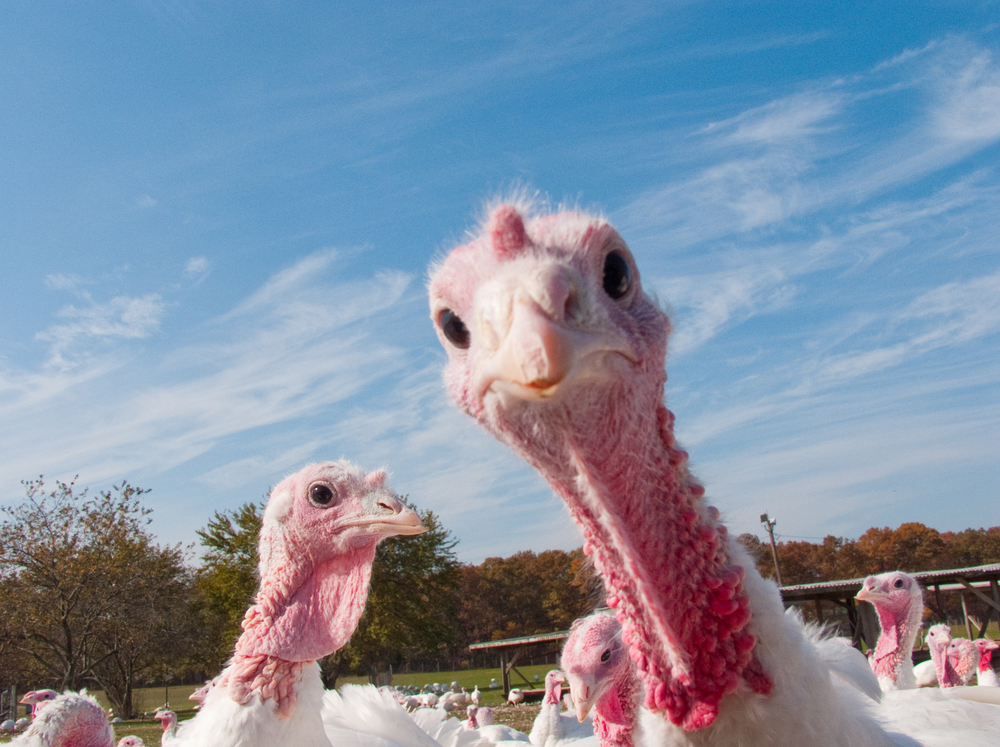
Gobble or Trouble? UK Turkey Market in 2025

UK Turkey Market Outlook 2025. A Steady Market with Changing Priorities

As we move through 2025, the UK turkey market remains a key area of interest for wholesalers, processors, and foodservice buyers. While overall demand remains stable, the way turkey is being sourced, sold, and served is evolving.

Whole birds are still in demand for the festive season, but year-round sales are increasingly driven by added-value cuts: turkey breasts, crowns, marinated portions, and convenience-ready formats. Retailers and caterers alike are adapting to changing consumer habits, particularly among younger demographics looking for quicker, easier meals without compromising on quality.

Production Pressures Continue

UK producers are feeling the squeeze from:

  • Higher feed and energy costs

  • Labour shortages

  • Tight margins on rearing and processing

Avian flu remains a concern for flock management, and there’s growing caution around flock expansion. Many producers are focusing on efficiency and forward contracts to manage risk.

Imports Remain Vital – But Complex

The UK continues to import a significant volume of turkey products, particularly from the EU. Polish and German producers offer competitive prices, especially for cooked and processed meat used in food manufacturing and foodservice.

However, post-Brexit checks and currency volatility have added complexity to import schedules, encouraging some buyers to explore more UK-based supply options for stability and traceability.

Sustainability in Focus

Across retail, foodservice, and manufacturing, there’s a growing push toward:

  • British sourcing

  • Higher welfare standards

  • Lower environmental impact

Organic and free-range turkey is seeing steady demand growth, particularly among premium buyers. That said, price sensitivity remains a key factor for most volume purchases.

As the hospitality sector continues its post-COVID rebound, turkey remains a carvery and Christmas menu staple. There’s strong interest in boneless joints, pre-sliced products, and ready-to-serve solutions that offer consistency and ease in high-volume kitchens.

Looking Ahead

The UK turkey sector in 2025 is best described as stable but watchful. Buyers can expect:

  • Consistent demand in retail and foodservice

  • Gradual growth in value-added and sustainable formats

  • Ongoing price pressures and tighter supply planning

  • Import reliance continuing, but under increased scrutiny

At Meatex, we’re actively sourcing a broad range of turkey products to meet the evolving needs of the trade – from festive whole birds to everyday processed cuts. Whether you’re looking to buy British or import at scale, our network can help you stay ahead of the curve.

📞 Get in touch with our team to discuss current availability and forward-order options.

FSA Steps Up Efforts to Modernise Meat Regulation

UK Food Standards Agency Modernises Meat Industry Regulations

The UK Food Standards Agency (FSA) is rolling out several initiatives to modernise its regulatory approach to the meat industry, which contributes £10 billion annually to the UK economy. These efforts aim to uphold high food safety standards and improve efficiency amid growing challenges.

Key Projects and Innovations

One major project is the development of an online self-service portal, currently in testing. This platform will allow meat businesses to access plant-specific data, including inspection results and approvals, in real time, simplifying operations and enhancing regulatory processes. Additionally, the FSA has trialled technology to transfer post-mortem inspection data directly from business systems to the agency, reducing manual intervention and boosting efficiency.

The FSA is also exploring the use of artificial intelligence (AI) to improve meat inspection processes. AI tools could detect contamination not visible to the human eye, although these inspections are not yet legally permitted. The FSA views AI as a potential future solution.

International and Domestic Efforts

Internationally, the FSA is advising the UK government on upcoming negotiations with the EU regarding sanitary and phytosanitary (SPS) controls for food exports. The aim is to streamline processes while maintaining high food safety standards and ensuring UK exporters remain competitive.

Domestically, the FSA is addressing a shortage of trained official veterinarians, crucial for meat inspection. Despite efforts to recruit more meat hygiene inspectors, the number of UK-trained veterinarians remains insufficient. The FSA has increasingly relied on veterinarians from other countries, but rising post-Brexit recruitment and visa costs have made this less viable long-term.

Regulatory Costs and Legal Actions

In response to rising regulatory costs, the FSA has announced higher inspection charges for 2025–2026, prompting legal action from some industry groups. The FSA is also reviewing its discount scheme for small businesses, which currently offers significant cost reductions. The outcome of this review will depend on government spending assessments.

Strengthening the National Food Crime Unit

The FSA is enhancing its National Food Crime Unit (NFCU) by granting it new powers to apply for warrants and seize evidence. This will enable the unit to combat food-related crime in complex supply chains more effectively. Recent successes include prosecuting individuals involved in large-scale poultry fraud and falsification of testing certificates.

These initiatives reflect the FSA’s commitment to maintaining high food safety standards and supporting the meat industry’s efficiency and competitiveness in a challenging environment.

Original story: Food & Drink Int

Whatsapp Help
WhatsApp us!