UK Beef Market Outlook

UK Beef Market Outlook for 2025

Key Points

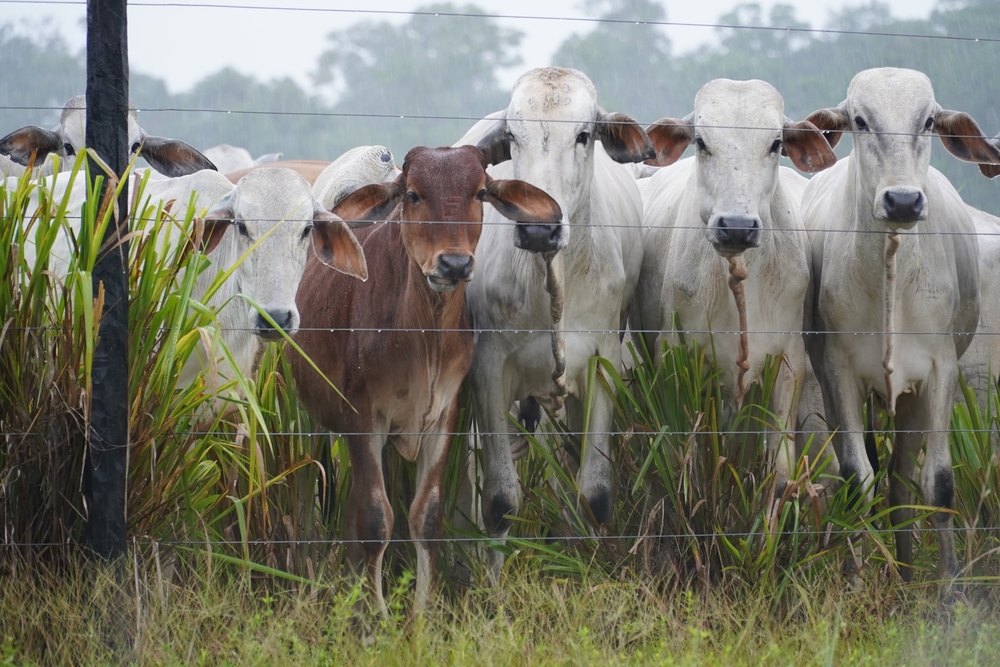
  • Reduced Domestic Supply: UK beef production is forecast to fall by 5% year-on-year to 885,000 tonnes in 2025 due to a reduced domestic cattle supply.
  • Consumption Trends: Domestic beef consumption is expected to grow marginally, driven by retail demand as foodservice remains stable. Everyday cuts like mince are anticipated to perform well as consumers remain price-conscious.
  • Import and Export Dynamics: The UK’s requirement for imported beef is projected to increase by 12% in 2025 compared to 2024. Conversely, exports are forecast to decrease by 7% due to supply constraints.
  • Price Outlook: Domestic farmgate cattle prices are expected to be supported throughout 2025. However, consumer price sensitivity and the mix of cuts purchased will be crucial to overall carcase values.

Overview

2024 was a strong year for the beef market overall. The UK produced 934,000 tonnes of beef and veal, up nearly 4% from 2023. This increase, combined with a 5% uplift in beef imports, contributed to greater supply on the market. Despite this, GB finished cattle prices continued to set records in 2024. Consumer demand was robust, with slight growth in retail and stable volumes through foodservice. Exports also increased, supported by demand from the continent.

Analyst Insight

Hannah Clarke, Lead Analyst (Red Meat), highlights that the forecast supply and demand changes point to a supportive environment for domestic farmgate cattle prices in 2025. However, the price sensitivity of consumers and the mix of cuts purchased will play a crucial role in determining overall carcase values.

AHDB
A year in review: the Australian cattle market

Key points:

  • Stability has returned to the cattle market, reflecting the balancing act between supply and demand.
  • Market confidence has continued to trend upward despite the weather conditions in Victoria and SA.
  • Slaughter has been very consistent and remains the highlight of the year.

After a turbulent 2023, the cattle market got back on its feet during 2024. The beef herd has now reached maturity, leading to more beef in domestic and international markets. 2024 has been marked by three key themes:

  1. Stability
  2. Confidence
  3. Stronger supply.

Stability

Without a doubt, the cattle market has stabilised – reflecting the balancing act between supply and demand which are influenced by weather, overall confidence and increased female slaughter, among many other factors.

Prices over the last 12 months have lifted by 20–39%, indicating the recovery of the market from the challenging conditions in 2023. The current prices are now tracking 1–20% below the 10-year average and reflect the substantial recovery the cattle market has shown over a short period of time.

Over the last year, Australia experienced two different seasonal conditions split across the south and the north. The seasonal conditions in pastoral regions in SA and western Victoria drove increased turn-off. As a result, NSW and Queensland producers benefited from this turn-off due to their favourable seasonal conditions.

See also: A year in review: the Australian sheep and lamb market

Confidence

Market confidence has certainly shifted from last year – many would say last year was the first time in a long time that producers made a decision based on a forecast rather than actual weather events. This confidence influenced buying behaviour; however, despite poor conditions in Victoria and SA, prices remained strong due to demand from NSW and Queensland producers.

All eyes have been on the global market, particularly the United States, which has recorded the lowest cattle herd in about 70 years. This has driven high cattle prices and thus increased the volume exported.

Stronger supply

Supply has remained steady over the past 12 months, with weekly slaughter capacity averaging 130,000 head a week according to the National Livestock Reporting Service (NLRS). The second half of the year averaged slightly higher at 140,000 head a week. Slaughter in 2024 is tracking just above the 10-year average and is around 16% above the 5-year average.

Processing capacity has increased by around 20% over the past four years, indicating the impact of the Pacific Australian Labour Mobility (PALM) scheme and other labour schemes which have significantly grown processing capacity.

Attribute to Emily Tan, MLA Market Information Analyst

A year in review: the Australian sheep and lamb market

A Year in Review: Australian Sheep and Lamb Market 2024

Sydney, 12 December 2024

Australia’s sheep and lamb market has experienced a turbulent yet productive year, with record slaughter numbers and strong export demand shaping industry performance. Producers have balanced recovery from past volatility with caution in trading decisions, while supply and demand shifts across regions created stark contrasts in outcomes.


Why it matters

For UK and EU buyers, understanding the Australian sheep sector is vital. Australia remains the world’s largest sheepmeat exporter, meaning fluctuations in production and pricing directly influence global availability and competitiveness. Elevated supply in 2024 helped stabilise export volumes, supporting markets as diverse as the Middle East, US, UK and Asia.


Market context

Regional differences were a defining feature. Eastern states benefited from favourable summer conditions, lifting flock quality and supporting firm lamb prices late into the season. In contrast, Western Australia struggled with dry conditions, leading to destocking and stock transfers to other regions.

Nationally, production surged. More than 37 million sheep and lambs were processed in 2024, surpassing previous annual records. Strong demand for mutton, particularly in export channels, reflected both consumer appetite and producer decisions to reduce older flocks. Meanwhile, genetic and breeding investments improved lamb output efficiency, allowing producers to achieve more with fewer resources.


What to watch in 2025

  • Export growth: Opportunities under the UK and India trade agreements could strengthen Australia’s position.

  • Protein competition: The US protein market will be a major driver for global sheepmeat trade.

  • Breed shifts: The move away from Merino wool flocks toward shedding breeds may reshape long-term supply dynamics.


Source: Meatex News, based on MLA data and industry analysis, Dec 2024
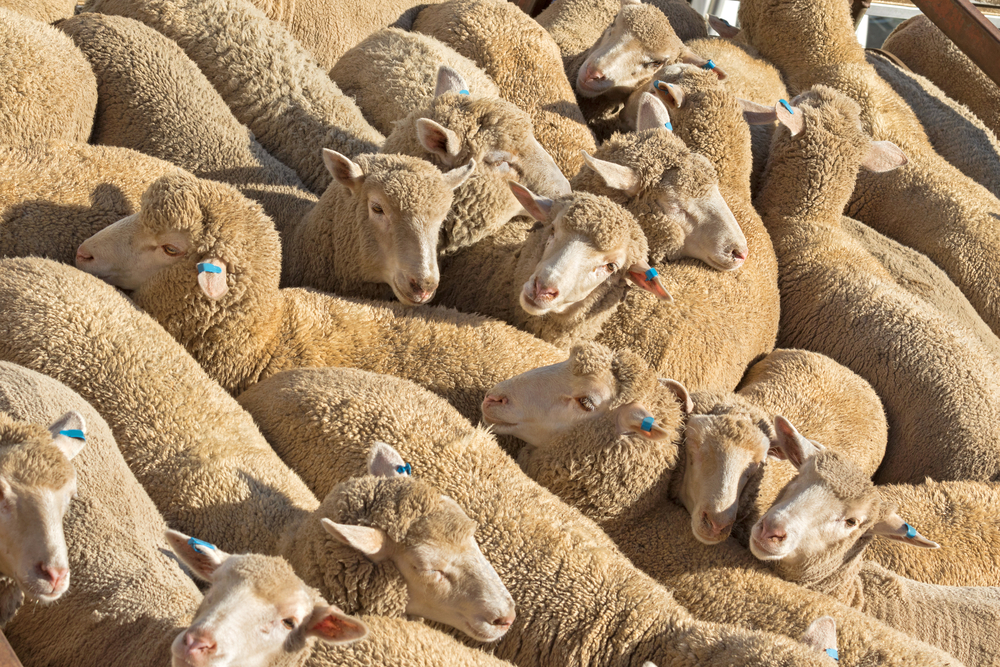
(Image note: Use licensed/owned content, e.g. “Australian sheep flock in open pasture – sheep and lamb market review 2024”)


Attribute to: Erin Lukey, MLA Senior Market Information Analyst


Halal Lamb Claims Third of UK Market Share

Halal meat now accounts for 30% of lamb sales in the UK, according to new research from the Agriculture and Horticulture Development Board (AHDB).

The findings shed light on how the consumption habits of halal meat consumers have evolved since the Covid pandemic and the cost-of-living crisis, providing valuable insights for farmers and the wider meat industry.

The AHDB report delves into the behaviours and preferences of halal meat consumers, helping businesses in the sector better understand what drives their purchasing decisions. It also highlights the significance of Islamic festivals and offers key opportunities for the halal meat sector to meet the growing demand for specific products.

While Muslims represent around 6.5% of the UK population, they are a crucial consumer base for lamb, contributing to a notable portion of the market. Despite a steady decline in lamb consumption over the last two decades, mainly due to the higher price of lamb compared to other meats such as chicken, lamb continues to be a key protein source for the Muslim community. In fact, 80% of halal consumers eat lamb weekly, and 64% consume mutton weekly—figures that far exceed the 6% of the general UK population who include lamb in their diets.

The research also reveals that Muslims spent £823 million on halal meat alone in 2023, a substantial sum that highlights the growing market for halal products. In comparison, in 2016, UK Muslims were estimated to have spent £4.64 billion on halal food and beverages, reflecting a significant shift in spending patterns and consumption habits in recent years.

The findings indicate that farmers and producers could benefit from gaining a deeper understanding of the halal market and its unique requirements. By tailoring offerings to suit the preferences of halal consumers, the industry has the potential to tap into a lucrative and loyal consumer base, ensuring long-term growth for the sector.

As demand for halal products continues to rise, the AHDB’s report offers a timely opportunity for the industry to better meet the needs of Muslim consumers, ensuring that they continue to enjoy high-quality halal lamb and mutton products while supporting the growth of this important market.

Source: AHDB

Record Year for Australian Meat Exports

Australian beef exports in October reached 130,049 tonnes, breaking the record for the most beef exported in a single month for the second time this year. Goatmeat exports also reached record-breaking numbers, with lamb and mutton recording very high export numbers. Australian red meat exports are set to break records across all categories in 2024.  

Beef exports 

Exports of beef rose 24% from last year to 130,049 tonnes. This is the largest export volume in a single month on record, beating the previous record set in July.  

The United States (US) was the largest market for Australian beef for the month, with exports rising 64% year-on-year to 45,338 tonnes. This is the second-highest volume of beef exported to the US in a single month. While frozen exports made up the majority of beef exported, chilled exports saw an 88% rise year-on-year to 11,572 tonnes, the highest chilled volume to the US on record.  

After the US, South Korea was the second largest market for Australian beef and exports rose 13% year-on-year to 19,733 tonnes. The largest increase in exports came from Indonesia; 11,026 tonnes were exported to Indonesia, 95% more than October last year 

So far this year, 1.1 million tonnes of beef has been exported, the highest year-to-October figure on record. As forecast in the latest Cattle Projections, Australian beef is well positioned to end the year with 2024 volumes breaking the previous record (set in 2014).  

Lamb exports 

Exports of lamb fell 13% year-on-year to 26,673 tonnes in October. This was largely due to a 38% year-on-year decline in exports to China. Despite the decline in exports to China, it remained the second-largest market for lamb over the month.  

The largest market for the month was the US, where exports lifted 18% year-on-year to 6,681 tonnes. This is following the trend observed throughout the year; exports to the US year-to-date have lifted 32% to 71,943 tonnes.  

In the year-to-October, lamb exports have lifted 14% from 2023 levels to 303,854 tonnes. This indicates that 2024 is likely to be a record year for lamb exports.   

Mutton exports 

Exports of mutton rose 35% year-on-year to 27,217 tonnes in October, the largest monthly figure since 1994. China remained the largest market, accounting for over half of exports with a total of 14,613 tonnes (43% above October 2023). The largest rise in exports came from Malaysia, where exports lifted 87% year-on-year to 3,164 tonnes, while exports to the US rose 53% year-on-year to 2,040 tonnes.  

Goatmeat exports 

Exports of goatmeat rose 48% year-on-year to 5,772 tonnes, the single largest monthly export volume recorded. The largest market for goatmeat was the US, with exports rising 43% year-on-year to 2,827 tonnes, making up over half of the month’s total goatmeat exports. The majority of the remainder of goatmeat went to South Korea and China. 

For the year, exports of goatmeat are already higher than the previous calendar year record at 42,004 tonnes year-to-October compared to 35,780 tonnes for the previous record year of 2014.   

Attribute content to: Tim Jackson, MLA Global Supply Analyst

MLA

Smithfield Market Move Paused

The City of London Corporation has halted its current plan to move Smithfield and Billingsgate markets to a new purpose-built site in Dagenham.

While the move has not been cancelled altogether, the initial plan has been stopped to review the scheme and ensure its financial sustainability[1].

The relocation of these historic markets was announced in 2022 as part of a “major regeneration programme” by the governing body. The move aimed to enable Smithfield to house new cultural and commercial offerings, including the London Museum, while the land occupied by Billingsgate in Poplar was expected to be used for new homes[1].

The City of London Corporation had previously estimated that the new market would bring 2,700 new jobs to Barking and Dagenham and generate around £14.5bn for the UK economy by 2049, with an investment of almost £1bn[1].

However, due to rising project costs, including inflation and the increasing cost of construction, the move has become unaffordable[1].

The City of London Corporation is now working closely with traders to identify suitable new sites and ensure their continued success. Traders will continue their operations at Smithfield and Billingsgate until at least 2028, ensuring a gradual transition period with ample time for planning and collaboration on the next steps[1]

References

Ben Lynch | BBC News

Freshness Sealed: The Power of Antimicrobial Packaging

As the food industry seeks ever-more efficient ways to extend product shelf life and ensure safety, antimicrobial packaging is emerging as a promising solution. This cutting-edge technology utilizes materials that actively reduce or inhibit the growth of microorganisms, helping keep meat and other perishable products fresher for longer.

Researchers are exploring various materials and compounds in antimicrobial packaging, and their findings are exciting. One notable development involves chitosan, a naturally occurring biopolymer derived from the shells of crustaceans, combined with nano-silica particles. Chitosan has already demonstrated impressive results in preserving the quality of fruits, slowing microbial growth and extending shelf life without compromising taste or texture. Now, scientists believe that this material could have similar benefits for meat products.

Studies on fruits have shown that chitosan, when integrated with nano-silica, can significantly delay spoilage by creating a barrier against bacteria and other microorganisms. This research suggests that chitosan-based antimicrobial packaging could help the meat industry tackle some of its greatest challenges, such as spoilage and foodborne illnesses.

The introduction of antimicrobial packaging could be particularly transformative for the meat sector, which faces strict regulations and high demand for quality and freshness. By reducing the microbial load on meat products, this technology has the potential to extend shelf life considerably, providing benefits across the supply chain—from producers and retailers to consumers.

In addition to chitosan, scientists are investigating other antimicrobial agents, such as essential oils and bioactive compounds, for packaging applications. These could work in combination with advanced materials like nano-silica, which enhances the durability and effectiveness of the packaging.

With further research and regulatory approval, antimicrobial packaging could soon becomAntimicrobial Packaging: Advancements in Meat Preservation e a mainstay in the meat industry, contributing to longer shelf life, safer products, and reduced waste. As demand for fresh, high-quality meat continues to grow, antimicrobial packaging may be the key to meeting these needs while supporting sustainable practices in food preservation.


Rising Crisis: Government Urged to Address Illegal Meat Imports

The government is under pressure to stop illegal meat being smuggled into the UK, amid warnings of a “foot-and-mouth” level crisis for British farmers.

The amount of meat seized by Border Force officials has doubled in a year, according to data obtained by BBC News.

The data suggests more meat is entering the country in fewer vehicles, which experts say indicates a rise in organised crime.

Meat imports classed as illegal have often not gone through checks to confirm they are disease-free and conform to UK health standards.

An outbreak of the highly contagious African swine fever has been spreading across Europe’s pig herds since last summer.

Farmers and MPs have called on the chancellor to fund more stringent border controls in next week’s Budget to prevent the disease from entering the UK.

The President of the National Farmers’ Union, Tom Bradshaw, told the BBC that he was not confident the government would introduce the measures he believed were necessary.

“We’ve got a line in the Labour manifesto that food security is national security. Now at the moment there’s a very real risk that they are just words on a piece of paper rather than meaningful policy,” he said.

Jack Fenwick | BBC News


Amazon Deforestation: Brazil’s Actions Against Meat Packers

São Paulo, Brazil – In a significant environmental enforcement move, Brazilian authorities have imposed multimillion-pound fines on several of the country’s largest meat-packing companies for purchasing cattle from farms linked to illegal Amazon deforestation.

This action forms part of Brazil’s intensified commitment to combat illegal land clearance and protect the Amazon, often called the “lungs of the Earth.” The fines, issued by the federal environmental agency IBAMA, followed a year-long investigation tracking the origins of cattle sold to major meat processors.

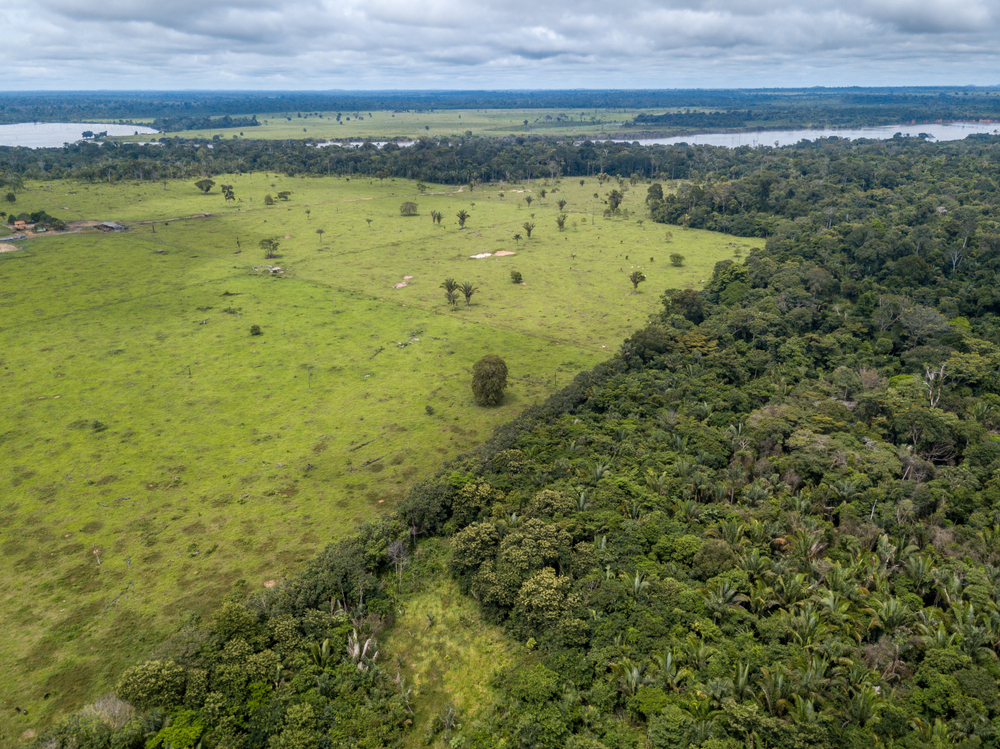
The investigation revealed that cattle were being raised on illegally deforested lands before being moved to legitimate farms—commonly known as “laundering”—to evade detection by authorities. This practice has been highlighted as a major driver of deforestation, responsible for the destruction of large swathes of the Amazon rainforest each year.

Brazil’s Ministry of the Environment confirmed fines exceeding £10 million against leading companies, marking one of the largest crackdowns in recent years. Ricardo Salles, Brazil’s Environment Minister, stated, “This should serve as a stark warning to the industry. We will not tolerate any activity that fuels illegal deforestation and undermines our national and global environmental commitments.”

Illegal Cattle Laundering in the Amazon

The Brazilian beef industry is among the largest in the world, and demand for Amazon land continues to surge. But rapid expansion has had a devastating environmental toll, with roughly 80% of deforested areas in the Amazon converted into pastureland for cattle. Environmental groups argue that lax monitoring, coupled with limited enforcement, has encouraged illegal land seizures and cattle laundering, which are difficult to trace along the complex supply chains that deliver meat from remote Amazon farms to international markets.

In recent years, global pressure on Brazil to halt Amazon deforestation has mounted, particularly from European and North American markets, where consumers increasingly demand proof that their meat purchases are not contributing to environmental harm. To address these concerns, many large Brazilian meat packers, including JBS, Marfrig, and Minerva, have made sustainability pledges to end deforestation in their supply chains. However, enforcement is an ongoing challenge.

Repercussions for the Meat Industry

The recent fines underscore the financial risk companies face if they fail to adhere to sustainability commitments. For some, the penalties come as a wake-up call. Several major supermarket chains and food suppliers worldwide have already responded by temporarily suspending purchases from the fined companies, citing the need for stricter compliance assurances. One UK-based retailer stated, “We are committed to ethical sourcing and are in discussions with our suppliers to ensure that none of our products contribute to deforestation.”

Environmental advocates are optimistic that the fines will catalyse stronger measures across the beef industry, encouraging companies to improve their tracking systems and better monitor the origins of cattle in their supply chains. Some activists, however, argue that fines alone are insufficient, urging Brazil’s government to implement real-time satellite monitoring and stricter penalties to deter illegal deforestation.

A Global Impact on Consumer Choices

The crackdown may further impact the global meat industry as consumers grow more conscious of environmental issues linked to food production. A 2023 study found that 55% of UK consumers are now more likely to avoid products linked to environmental destruction, with sustainably-sourced alternatives steadily gaining popularity.

As Brazil steps up its efforts to safeguard the Amazon, the message to the global meat market is clear: sustainable practices are no longer optional, and the stakes—for companies and consumers alike—are higher than ever.

The Latest Trends in the Australian Lamb Market

Key points:

  • Lamb prices have bounced back to late 2021 and early 2022 levels.
  • Producer cautiousness will likely impact market prices.
  • Seasonal conditions have impacted quality and timing of new season lambs being sold.

The spring flush is in full swing, with more new-season lambs hitting the market. However, after a turbulent 18-month period in the livestock market, producers are increasingly cautious about their stocking decisions.

Over the third quarter, lamb prices began to rise in June, peaking in July as supply slowed. On average, prices increased by 12–25% during the quarter and have since stabilised at around 800 to 820¢/kg carcase weight (cwt) for the Heavy and Trade Lamb Indicators. Higher-quality lambs have commanded the best prices, while lower-quality stock has experienced less demand.

This has led buyers to focus on heavy lambs, pushing prices close to $300 at Wagga. Although prices have returned to late 2021 and early 2022 levels, it is unlikely they will continue to reach new highs. Mutton prices have dropped by 24% since early July, potentially driven by the early turn-off of older breeding ewes.

A stellar season in NSW has resulted in more new-season lambs coming to market earlier than in Victoria. The market witnessed a 20–40% increase in lamb supply compared to 2023 during the third quarter. NSW lamb yardings increased by almost 2% compared to last year as new-season lambs began arriving by mid-August. In contrast, Victorian yardings in September were down by 5% compared to last year.

The seasonal conditions in Victorian have resulted in lighter new-season lambs and a higher number of lambs under 22kg cwt. In early September, there were reports of ewes being sold earlier in the hopes of keeping younger lambs to sell in early spring. Better-quality, heavier lambs are becoming scarce at Victorian saleyards.

It is a tale of two states, with NSW experiencing one of its strongest seasons, marked by a higher number of heavy lambs, while Victorian saleyards have seen more lighter lambs and older ewes being sold.

Attribute content to Emily Tan, MLA Market Information Analyst

MLA

How Does the Australian Red Meat Industry Compare Globally?

Australia: Lamb Prices Soaring 79-158% Above Last Year

Whatsapp Help
WhatsApp us!