A year in review: the Australian sheep and lamb market

A Year in Review: Australian Sheep and Lamb Market 2024

Sydney, 12 December 2024

Australia’s sheep and lamb market has experienced a turbulent yet productive year, with record slaughter numbers and strong export demand shaping industry performance. Producers have balanced recovery from past volatility with caution in trading decisions, while supply and demand shifts across regions created stark contrasts in outcomes.


Why it matters

For UK and EU buyers, understanding the Australian sheep sector is vital. Australia remains the world’s largest sheepmeat exporter, meaning fluctuations in production and pricing directly influence global availability and competitiveness. Elevated supply in 2024 helped stabilise export volumes, supporting markets as diverse as the Middle East, US, UK and Asia.


Market context

Regional differences were a defining feature. Eastern states benefited from favourable summer conditions, lifting flock quality and supporting firm lamb prices late into the season. In contrast, Western Australia struggled with dry conditions, leading to destocking and stock transfers to other regions.

Nationally, production surged. More than 37 million sheep and lambs were processed in 2024, surpassing previous annual records. Strong demand for mutton, particularly in export channels, reflected both consumer appetite and producer decisions to reduce older flocks. Meanwhile, genetic and breeding investments improved lamb output efficiency, allowing producers to achieve more with fewer resources.


What to watch in 2025

  • Export growth: Opportunities under the UK and India trade agreements could strengthen Australia’s position.

  • Protein competition: The US protein market will be a major driver for global sheepmeat trade.

  • Breed shifts: The move away from Merino wool flocks toward shedding breeds may reshape long-term supply dynamics.


Source: Meatex News, based on MLA data and industry analysis, Dec 2024
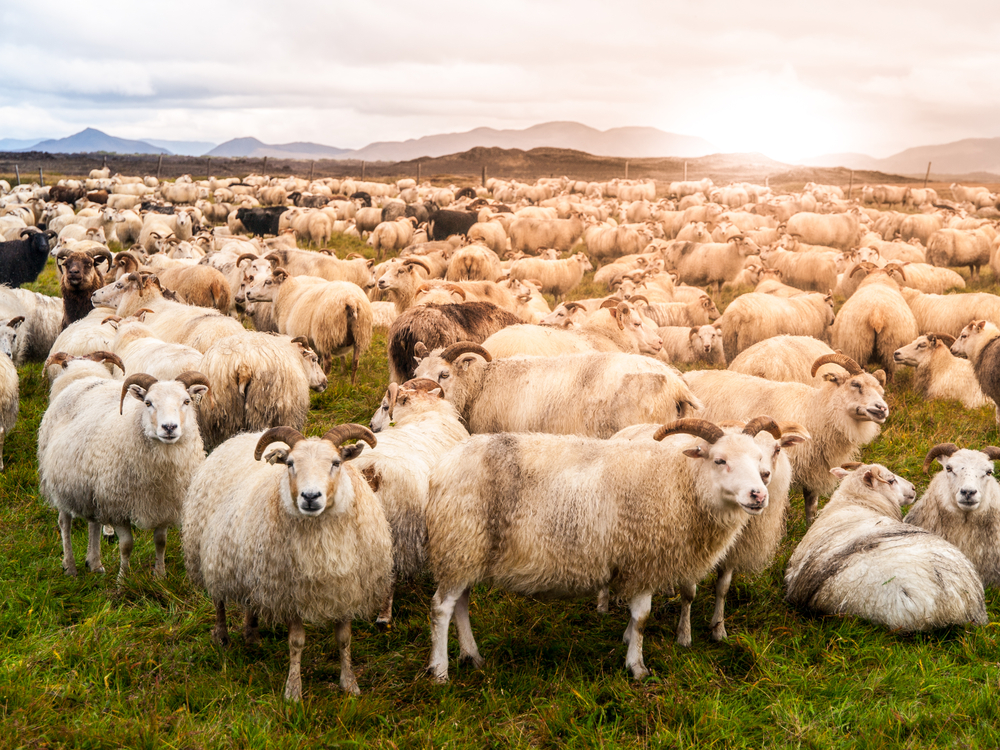
(Image note: Use licensed/owned content, e.g. “Australian sheep flock in open pasture – sheep and lamb market review 2024”)


Attribute to: Erin Lukey, MLA Senior Market Information Analyst


Pickstock Expands to Scotland

A multi-million pound expansion by an English meat processing firm into Scotland has been approved.

Shropshire-based Pickstock has been granted planning permission to build an abattoir close to the A74(M) near Ecclefechan in Dumfries and Galloway.

The company said the scheme would create up to 60 full-time jobs and reduce travel times for animals currently being taken to its site in Telford.

Dumfries and Galloway Council’s planning committee went with officer recommendations to approve the scheme.

BBC News

Two UK Sites Re-Listed for Chinese Pork Exports

UK pork exports to China have received a boost with the re-listing of two sites after a huge collaborative effort between many stakeholders, including government departments, industry and AHDB.

The re-listing followed a relentless effort over several years which included frequently bringing the right parties together in the two nations to support discussions and demonstrate the exceptionally high standards of the industry and the sheer economic value of trade to China. This kept the issue alive and front of mind whenever possible.

China remains the UK’s biggest export market for pork. In 2023 the UK exported £180m worth of pig meat to China and shipped £117m worth of product in the first three-quarters of 2024.

Angela Christison, AHDB Pork Sector Director, said:

“Today’s announcement is fantastic news. Around 50% of the world’s pork is consumed in China. It’s impossible to overstate the importance of this market with its growing demand.

“The potential for our high-quality pork is immense and we look forward to continuing working with government and industry to maximise the opportunities.

“Going into 2025 this will be a welcome boost for the UK pork sector, and we look forward to achieving further success.”

AHDB


Irish Cattle Trade & Prices Update: Throughput and Trends

Throughput

There were 39,812 cattle processed in DAFM approved plants last week, an increase of just over 1,000 head from the previous week. This uplift is primarily due to an increase in the young bull kill when compared to the previous week.

Prime cattle throughput YTD is currently on par with the same period last year at 1,639,020 head although a notable tightening in prime cattle availability is expected as we move into the final quarter of the year. A contraction in cattle numbers on the ground and a lively export trade have contributed to this outlook with numbers expected to remain tight for much of 2025.

Average carcase weights also continue to trend below previous years with the combination of a challenging grass growing season and a growing dairy influence on the prime cattle kill playing a role in the decline. The downward trend in average carcase weights is expected to continue in the short to medium term with calf registrations to suckler cows continuing to decline, while the number of beef sired calves produced from the dairy herd continues to increase.

Prices

There was a lift in the steady base quotes at Irish meat plants this week in response to tighter supplies and an expected increase in retail and foodservice demand for the Christmas period. In general, producers were offered a base price of €5.30/kg for steers with reports of up to €5.40/kg available.

Starting quotes for heifers are in the region of €5.40/kg this week with similar room for negotiation being reported. The trade for young bulls was also described as steady, with prices of between €5.60/kg and €5.70/kg on-offer for R grading animals under 24 months of age.

The cow trade remains relatively steady, with well-fleshed O+ grading suckler cows being offered prices of €5.00-5.10/kg, while prices for O grading dairy cows generally range from €4.90-5.00/kg. A significant proportion of the cow kill have achieved a conformation score of P in recent months and the prices available for these animals vary significantly based on grade, weight and quality.

For the week ending 24th November 2024, the average price paid by Irish beef processors for R3 increased slightly by 2c/kg to be at €5.31/kg. This remained 59c/kg ahead the corresponding week in 2023 when the R3 steer price was €4.72/kg. Note that reported prices exclude VAT but include all bonus payments such as in-spec bonus, breed-based producer groups etc.

EU and UK prices

Across the EU, the average reported price for R3 grading young bulls was €5.54/kg (excluding VAT) for the week ending 24th November, 2024. This is 49c higher than Week 46 of last year when prices averaged €4.89/kg for this category.

In the UK, tighter cattle supplies and firm demand have meant deadweight beef prices have continued to firm. This week the average UK R3 steer price increased by 3c/kg to €6.33/kg.


Bord Bia

Strong Demand Drives Irish Sheep Prices Higher

EU-Mercosur Trade Deal Nears

BRUSSELS, Dec 6 (Reuters) – The European Union and South America’s Mercosur bloc are expected on Friday to finalise a free trade agreement but it faces a tortuous battle for approval in Europe given firm French opposition.
After negotiations spanning more than 20 years and five years on from an initially inked deal, European Commission President Ursula von der Leyen and her Mercosur counterparts are due to announce a political agreement at 9.30 a.m. (1230 GMT) in Montevideo, capital of Uruguay.
European farmers have repeatedly protested against an EU-Mercosur deal that they say would lead to cheap imports of South American commodities, notably beef, that do not meet the EU’s green and food safety standards.
Italy said on Thursday there were no conditions for signing off on a deal. Poland said last week it opposed the free trade deal in its current form.
European green groups also broadly oppose the accord. Friends of the Earth calls it a “climate-wrecking” deal.
The trade agreement would require approval from 15 of the 27 EU members representing 65% of the EU population along with a simple majority in the European Parliament.
South American negotiators remain optimistic that the EU will eventually give its approval and that France will not be able to rally a blocking minority.

Reuters

Five Arrested in Food Crime Probe

NFCU officers, together with police, attended a location in London on Monday 25 November 2024 where they discovered unrefrigerated vans containing 48 sheep carcasses.

The meat is thought to be illegal, having undergone a smoking process with its skin on, and is not traceable. Meat should have traceability from farm to fork and be subject to checks by FSA vets and meat hygiene inspectors.

As a result, police arrested five men who were interviewed by NFCU officers. All five have been released under investigation.

FSA

Icelandic Lamb Gains Protected Status

Reykjavík, Iceland – 4 December 2024 – Icelandic Lamb has officially been granted the prestigious Protected Designation of Origin (PDO) status by the European Union, marking a significant achievement for Iceland’s agricultural sector.

This certification recognises the unique qualities and traditional production methods of Icelandic Lamb, ensuring that only lamb raised in specific regions of Iceland can bear this esteemed label.

The PDO status acknowledges the exceptional quality of Icelandic Lamb, renowned globally for its distinctive flavour, tenderness, and high-quality meat.

Raised in Iceland’s lush pastures amidst pristine landscapes, the lambs graze on a natural diet consisting of wild herbs, grasses, and seaweed, which contribute to the unique taste that has made the product a treasured delicacy.

“The PDO designation is a tremendous accomplishment for Icelandic agriculture and a tribute to the dedication of our farmers,” said Guðbjörg Ríkey, head of the Icelandic Meat Producers Association. “This recognition ensures that consumers worldwide can enjoy Icelandic Lamb with confidence, knowing it has been produced to the highest standards, in accordance with traditional practices passed down through generations.”

The PDO status guarantees that only lambs born, raised, and slaughtered in Iceland are allowed to be marketed as “Icelandic Lamb”, safeguarding its authenticity and heritage. It also offers greater protection from counterfeiting and misuse of the name in international markets.

Icelandic Lamb is particularly valued for its lean, tender meat and rich flavour, which is enhanced by the island’s clean, unspoiled environment and traditional free-range grazing practices. The lambs are raised without the use of growth hormones and are fed a diet that includes nutrient-dense wild plants.

The PDO status for Icelandic Lamb now joins other renowned Icelandic products such as Icelandic Skyr, further elevating Iceland’s standing in the global market for premium, sustainably produced food.

As part of the EU’s PDO scheme, Icelandic Lamb will benefit from additional protection against imitation and unfair competition, ensuring that the name remains synonymous with quality and authenticity.

This certification is expected to enhance export opportunities for Icelandic farmers and open new doors to markets across Europe and beyond.

With the PDO status now in place, Icelandic Lamb is set to become a more prominent player in the premium food sector, appealing to discerning culinary enthusiasts who seek products rooted in tradition and heritage.

As the PDO logo appears on packaging, it will stand as a symbol of distinction for Iceland’s prized lamb, celebrated both at home and abroad.

About Icelandic Lamb

Icelandic Lamb is a premium meat product from sheep native to Iceland, raised in the country’s unspoiled natural environment. The lambs graze freely on Iceland’s hillsides and coastal areas, feeding on wild grasses and herbs.

Known for its rich, distinctive flavour, Icelandic Lamb is considered a national delicacy and is highly prized by chefs and food lovers for its tenderness, taste, and sustainability.

Paraguay’s Beef Exports to Hit Record High

In the first eleven months of the year, Paraguay has exported some 320,000 tons of beef with revenue reaching 1,6 billion dollars, indicates data from the National Animal Health and Quality Service (Senacsa).

This figure and revenue will show that 2024 will be the highest on record since 2016.

Chile remains the main market for Paraguayan beef having taken some 36% of total exports. The second market is Taiwan with 11%. (Paraguay is the only country in South America which maintains full relations with the government in Taipei). Other significant markets are Brazil with 9%, United States and Israel with 8% each. Russia received 5% of the shipments, while the European Union accounted for 4% of Paraguayan beef exports.

Paraguay in 2023, according to US Department of Agriculture, was among the ten top exporters of beef with 445,000 tons. The list as the leading exporter is headed by Brazil over 3 million tons.

Likewise by the end of November, Paraguay exported over 11,000 tons of pork, equivalent to some US$ 31 million in revenue. Here again Taiwan was the leading market, acquiring 87% of pork exports, followed by Uruguay with 12%.

Regarding poultry, Paraguay so far in eleven months has exported more than 6,000 tons of chicken meat, generating more than US$ 10 million.

MercoPress

China Buys More Argentine Beef

China figures as the main market for Argentine beef, having absorbed in nine months to October 78% of exports, based on data from the ABC Consortium, which represents the country’s largest beef exporters.

Argentina’s exports of beef totaled 641,900 tons in the first ten months of the current year, (Jan/October) a 14.3% increase compared to the same period in 2023. In terms of revenue, these shipments generated US$ 2.5 billion, a 7.2% increase over the same period last year.

During October, exports reached 68,400 tons of refrigerated and frozen beef, equivalent to US$ 274.3 million. However, this represented a month-on-month decline of 5.9% in volume and 8.4% in revenue, according to the ABC Consortium’s report.

Other significant buyers of Argentine beef include, Israel with 6.7%; United States, 4.7%; Germany 4%; Netherlands 3.8%, Mexico and Italy, 1% each.

Despite China’s dominance as a buyer, the prices paid by Chinese importers for Argentine beef remain low, averaging US$ 3,360 per ton in October 2024. This is a sharp drop from the peak price of US$ 5,900 per ton achieved in May 2022.

MercoPress

China Lifts Trade Restrictions on Australian Meat Processing Facilities

China has lifted trade restrictions on two Australian meat processing facilities, allowing the full resumption of red meat exports to the country, the Australian government announced on Tuesday.

This move marks the removal of restrictions from all 10 Australian abattoirs that were banned between 2020 and 2022.

The bans were initially imposed around the time China blocked imports of various commodities from Australia, including coal, barley, and wine. Since the new government took power in Canberra in 2022, almost all these restrictions have been lifted, with trade in lobster, the final banned product, set to restart by the end of the year.

Prime Minister Anthony Albanese welcomed the news, stating, “This is great news for Australian exporters, producers, and farmers. Since we were elected we’ve worked tirelessly to resume trade and that’s exactly what we are seeing. It’s a win for trade and a win for Australian jobs.”

Original story by RTHK


Whatsapp Help