FSA Boosts Powers to Crack Down on Food Fraud

Food Crime Unit Granted New Powers to Combat Food Fraud in England and Wales

The Food Standards Agency (FSA) has announced that the National Food Crime Unit (NFCU) now has expanded investigatory powers to tackle food fraud more effectively across England and Wales, effective from May 2, 2025.

These powers, granted under the Police and Criminal Evidence Act (PACE), allow the NFCU to operate with greater independence in the fight against serious food crime.

Key New Powers for the National Food Crime Unit

Under the new regulations, NFCU investigators can now:

  • Apply for and execute search warrants independently, without relying on local police forces.

  • Access and secure premises where food crime is suspected, enabling timely evidence gathering and prevention of material destruction.

These powers represent a significant step forward in allowing the NFCU to respond swiftly to food crime intelligence and progress investigations more efficiently.

“This is a major step forward in protecting the integrity of the UK food supply chain,” said a spokesperson for the FSA.

Why These Powers Matter

The NFCU was formed in 2015 following the Elliot Review into the 2013 horse meat scandal, with a mission to prevent, detect, and disrupt serious criminal activity in food supply chains. Until now, the unit had to depend on police and other agencies to carry out certain enforcement actions.

Benefits of the new powers include:

  • Faster and more effective investigations into food crime.

  • Greater consumer protection and support for legitimate food businesses.

  • Reduced pressure on police resources, enabling them to focus on other priorities.

What Is Food Crime?

The FSA defines food crime as serious fraud involving the production, processing, distribution, or sale of food. Examples include:

  • Adulteration – adding inferior or undeclared ingredients to food.

  • Substitution – replacing quality ingredients with cheaper alternatives.

  • Misrepresentation – false labelling or misleading claims about origin or quality.

  • Use of stolen food – introducing stolen items into the supply chain.

  • Illegal processing – operating outside of regulated slaughter or production rules.

  • Waste diversion – reintroducing food waste into the supply chain illegally.

  • Document fraud – falsifying records or traceability data.

How to Report Food Crime

The FSA urges members of the public and food industry professionals to report any suspicions to Food Crime Confidential:

  • Phone (UK): 0800 028 1180

  • Phone (International): +44 207 276 8787

  • Online: Visit the FSA website

Strengthening Trust in the UK Food Chain

These enhanced powers mark a significant milestone in the UK’s food safety landscape. By empowering the NFCU to act independently, the FSA aims to further protect consumers, safeguard businesses, and ensure that the UK’s food supply chain remains trustworthy and transparent.

Original source: Food Standards Agency (FSA)
 

Russian Turkey Exports Soar, Dominating Chinese Market

Russia Ousts US as Leading Turkey Meat Exporter to China

GLOBAL TRADE – May 1, 2025 – Russia has significantly reshaped the global turkey meat trade landscape, successfully overtaking the United States to become the largest exporter of turkey meat to China. This strategic shift has been driven by a remarkable surge in Russian exports, which have proven highly competitive in the Chinese market.

According to Poultry World, approximately 60% of all Russian turkey meat production is now directed towards China. This strong export performance is projected to continue its upward trajectory, with estimates indicating Russian turkey exports to China could reach 35,000 tonnes in 2025 and a substantial 60,000 tonnes by 2030.

Anatoly Velmatov highlighted that Russian firms have demonstrated a keen ability to outcompete other major international suppliers, including prominent players from the US and South America, within the lucrative Chinese market.

Despite this export success, the Russian turkey industry faces several hurdles. Challenges include the ongoing bird flu situation, declining consumption in some key sales markets, and the increasing impact of the Environmental, Social, and Governance (ESG) agenda alongside tightening environmental regulations. Nevertheless, the industry maintains an ambitious goal of increasing its overall export share to 10% of its total turkey meat production, solidifying its position in the global poultry trade.

Original source: Poultry World

Tight Beef Supply Sees Deadweight Prices Surging

Tight Beef Supply Drives Deadweight Prices Sky High Across UK, Reports Farmers Weekly

UNITED KINGDOM – May 1, 2025 – The British beef sector is experiencing unprecedented price hikes, with deadweight cattle prices soaring by nearly 40% in just nine months due to a significant tightening of both international and domestic beef supplies. According to Farmers Weekly (FWI), the market is bracing for continued high prices.

Hybu Cig Cymru (HCC), the Welsh red meat promotion body, forecasts that deadweight prices will remain consistently above £7/kg, with weekly increases already being observed. This surge sees prime cattle deadweight prices in England and Wales now sitting an impressive £2/kg higher than during the same period last year.

The increase in prices is directly linked to reduced availability. For the first quarter of 2025, UK prime cattle throughput was down 3% year-on-year, indicating fewer animals coming to market.

This sharp rise in deadweight prices is inevitably impacting consumers, who are facing retail beef prices that have increased by approximately 20%. The dynamic underscores a challenging period for consumers, while producers potentially benefit from stronger returns, albeit within a constrained supply environment.

Original source: Farmers Weekly

Smithfield Foods Shifts Focus Amid Tariff Challenges

Smithfield Foods Shifts Focus Amid Tariff Challenges

Smithfield Foods, the leading U.S. pork processor, has announced that China is no longer a viable market due to retaliatory tariffs imposed by Beijing. This development highlights the ongoing impact of the tariff war initiated by former U.S. President Donald Trump, which has significantly disrupted global trade.

Tariff Impact

China, the world’s largest pork consumer, increased its levies on U.S. goods, pushing the effective duty rate on U.S. pork to 172%[1]. This move was in response to higher duties imposed by the U.S. on Chinese imports. As a result, Smithfield Foods has had to pivot its business strategy.

Business Pivot

Smithfield CEO Shane Smith stated on a recent earnings call, “With China no longer essentially being available, we really had to pivot our business” [1]. The company, which went public in January, reported a 9.5% rise in total sales to $3.77 billion for the first quarter ending March 30, surpassing analysts’ expectations [1].

Future Outlook

Despite the challenges, Smithfield remains optimistic about finding new markets for its products. The company is focusing on other international markets and increasing sales of more profitable products like lunch meats and dry sausages [2]. This strategic shift aims to mitigate the impact of losing access to the Chinese market.

Smithfield’s ability to adapt to these changes will be crucial as it navigates the complexities of global trade and continues to support U.S. farmers.

Original story: Reuters 
References

FSA Steps Up Efforts to Modernise Meat Regulation

UK Food Standards Agency Modernises Meat Industry Regulations

The UK Food Standards Agency (FSA) is rolling out several initiatives to modernise its regulatory approach to the meat industry, which contributes £10 billion annually to the UK economy. These efforts aim to uphold high food safety standards and improve efficiency amid growing challenges.

Key Projects and Innovations

One major project is the development of an online self-service portal, currently in testing. This platform will allow meat businesses to access plant-specific data, including inspection results and approvals, in real time, simplifying operations and enhancing regulatory processes. Additionally, the FSA has trialled technology to transfer post-mortem inspection data directly from business systems to the agency, reducing manual intervention and boosting efficiency.

The FSA is also exploring the use of artificial intelligence (AI) to improve meat inspection processes. AI tools could detect contamination not visible to the human eye, although these inspections are not yet legally permitted. The FSA views AI as a potential future solution.

International and Domestic Efforts

Internationally, the FSA is advising the UK government on upcoming negotiations with the EU regarding sanitary and phytosanitary (SPS) controls for food exports. The aim is to streamline processes while maintaining high food safety standards and ensuring UK exporters remain competitive.

Domestically, the FSA is addressing a shortage of trained official veterinarians, crucial for meat inspection. Despite efforts to recruit more meat hygiene inspectors, the number of UK-trained veterinarians remains insufficient. The FSA has increasingly relied on veterinarians from other countries, but rising post-Brexit recruitment and visa costs have made this less viable long-term.

Regulatory Costs and Legal Actions

In response to rising regulatory costs, the FSA has announced higher inspection charges for 2025–2026, prompting legal action from some industry groups. The FSA is also reviewing its discount scheme for small businesses, which currently offers significant cost reductions. The outcome of this review will depend on government spending assessments.

Strengthening the National Food Crime Unit

The FSA is enhancing its National Food Crime Unit (NFCU) by granting it new powers to apply for warrants and seize evidence. This will enable the unit to combat food-related crime in complex supply chains more effectively. Recent successes include prosecuting individuals involved in large-scale poultry fraud and falsification of testing certificates.

These initiatives reflect the FSA’s commitment to maintaining high food safety standards and supporting the meat industry’s efficiency and competitiveness in a challenging environment.

Original story: Food & Drink Int

Licence Revoked from Abattoir After Shocking Welfare Violations

Warwickshire Abattoir Loses Licence Following Animal Welfare Investigation

The Food Standards Agency (FSA) has revoked the operating licence of T&S Abattoir in Arley, Warwickshire, following a thorough investigation into significant animal welfare breaches. The decision comes after covert footage, captured by an animal rights activist last year, surfaced in February, corroborating earlier concerns raised by local residents who had been advocating for the facility’s closure.

While the FSA confirmed that “substantial” action had already been taken at the abattoir prior to the emergence of the footage, the subsequent investigation by an independent panel concluded that T&S Abattoir had failed to prevent serious incidents compromising animal welfare. The FSA stated that this lack of confidence in the abattoir’s ability to ensure “consistent compliance” with animal welfare standards led to the licence revocation.

A spokesperson for the FSA emphasized the seriousness of the findings, stating that the identified breaches would be referred to the Crown Prosecution Service for potential legal action.

In a statement released today, the FSA confirmed that T&S Abattoir Ltd, the operating company, has been formally notified of the licence revocation, along with the detailed reasons for the decision and their right to appeal the ruling.

Reiterating its commitment to animal welfare, the FSA asserted a firm stance on the issue. “We have a zero-tolerance approach to animal welfare breaches so we will always take the necessary action to protect high animal welfare standards.”

The BBC has reached out to T&S Abattoir Ltd for comment but has yet to receive a response.

This development marks a significant step following long-standing concerns about animal welfare practices at the Arley-based abattoir and underscores the FSA’s commitment to upholding standards within the food industry. The outcome of the police investigation and any potential appeal by T&S Abattoir Ltd will be closely watched.

Original story: BBC News

Great British Beef Week Back for 15th Year

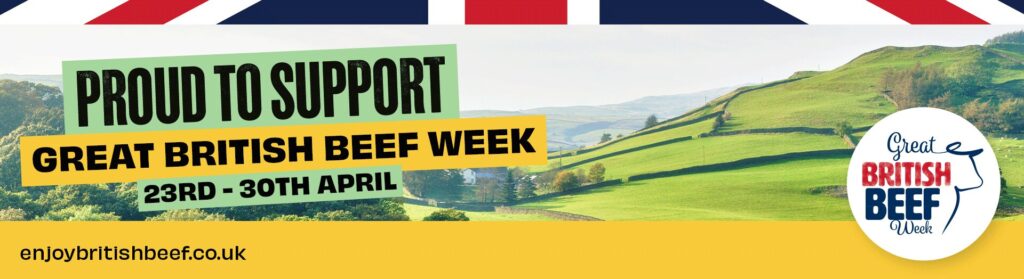
Great British Beef Week, a successful industry campaign that promotes British beef to consumers, returns for its 15th anniversary on St George’s Day, 23 April.

This nationwide campaign, running from 23-30 April, highlights the hard work and dedication of the farmers who produce British beef, while also shining a light on sustainable farming practices and the exceptional taste of British beef.

The campaign was first founded by the Ladies in Beef group, created by former NFU president Minette Batters and Devon beef producer Jilly Greed. Over the years, it has garnered support from various UK levy bodies including AHDB, Hybu Cig Cymru, the Livestock and Meat Commission, and Quality Meat Scotland. Additionally, organizations such as the NFU, the Royal Agricultural Benevolent Institution, and Red Tractor have lent their support to the campaign.

As part of this year’s campaign, AHDB is putting the faces behind British beef farming at the heart of the initiative. Baroness Minette Batters emphasized the importance of British beef, stating, “Our farmers produce naturally delicious beef – British beef is not just a staple of our cuisine, it’s a symbol of our hard work and enjoyed by many at home and abroad.”

The campaign aims to celebrate the contributions of British farmers and encourage consumers to appreciate and support locally produced beef. With its focus on sustainability and quality, Great British Beef Week continues to be a significant event in the UK’s agricultural calendar.

Foot-and-Mouth Threat Level Raised to ‘Medium’ Across the UK

Farmers Urged to Increase Biosecurity Measures Following Heightened Risk Assessment

Livestock farmers are being urged to bolster their biosecurity protocols following an official increase in the threat level for foot-and-mouth disease (FMD) from ‘low’ to ‘medium’.

The Department for Environment, Food & Rural Affairs (Defra) announced the change earlier today, citing a heightened risk of the highly contagious animal disease entering the country.

Defra is advising all livestock keepers to review and strengthen their biosecurity measures immediately. This includes:

  • Strict control of access to farms and animal housing: Limiting unnecessary visitors and ensuring thorough disinfection of vehicles and footwear.
  • Enhanced hygiene practices: Implementing rigorous cleaning and disinfection protocols for equipment, vehicles, and personnel.
  • Careful sourcing of animals and animal products: Ensuring all new livestock are sourced from reputable, disease-free sources and adhering to all import regulations.
  • Vigilant monitoring of animal health: Regularly checking livestock for any signs of foot-and-mouth disease, such as blisters on the mouth, feet, and teats, excessive salivation, and lameness.
  • Prompt reporting of any suspicious signs: Contacting a veterinarian or the Animal and Plant Health Agency (APHA) immediately if any unusual symptoms are observed.

A Defra spokesperson emphasised the importance of proactive measures: “The increase in the foot-and-mouth disease threat level to ‘medium’ is a precautionary measure to reflect the evolving situation in Europe. While the risk remains that the disease could enter the UK, taking robust biosecurity measures is the most effective way to protect our livestock and the wider agricultural economy. We urge all farmers to remain vigilant and implement the necessary steps to safeguard their animals.”

As the situation in Europe continues to be monitored closely, UK farmers are bracing themselves and implementing stricter measures to protect their livelihoods and the nation’s livestock from the potentially devastating impact of foot-and-mouth disease.

Growing Concerns Over UK-US Trade Deal and Food Standards

UK Farmers Raise Concerns Over Food Standards in Potential US Trade Deal

As the United Kingdom and the United States revive talks of a potential UK-US trade deal, British farmers are voicing strong concerns about protecting UK food standards, especially regarding hormone-treated US beef.

US-UK Trade Deal Talks Resume

Speaking recently, US Vice President JD Vance expressed optimism about a future agreement, stating there is a “good chance” of finalising a deal. However, previous negotiations stalled over major differences in food safety regulations and animal welfare standards.

British Farmers Demand Equal Standards for Imported Meat

David Barton, Livestock Chair of the National Farmers’ Union (NFU), stressed the importance of holding imported food to the same high standards required of UK farmers.

“There is no way we would accept anything that is not produced to our standards,” said Barton. “If US beef is to be imported, it must pass the same rigorous tests as British meat.”

UK Beef Farming: A Quality-Driven Model

Barton, who runs a beef cattle farm in the Cotswolds, near Cirencester, highlighted the strengths of British beef production. His cattle are largely raised on natural grass pasture and their mother’s milk, with winter feed sourced locally.

“Our temperate climate, our lush grass — the British Isles are just designed for beef. We don’t have to add much,” he explained.

While he respects the efforts of American beef producers, Barton emphasised the advantages of the UK’s natural farming conditions and traditional practices.

Trade Deal Implications for UK Agriculture

British farmers are urging the UK Government to ensure any post-Brexit trade agreements uphold the country’s high animal welfare, environmental, and food safety standards.

The inclusion of hormone-treated beef or lower-standard imports could undercut UK producers and undermine consumer trust. The outcome of these negotiations will have lasting effects on British agriculture, food integrity, and the broader UK food supply chain.


Key Takeaways:

  • UK farmers support fair trade but demand equal standards for imported food.

  • Hormone-treated beef remains a sticking point in UK-US trade talks.

  • The NFU calls for a level playing field to protect UK farming and consumer trust.

Original Source: BBC News


EU Beef Prices Surge as Irish Market Strengthens, Narrowing Gap with GB Prices

Average EU deadweight cattle prices have risen dramatically over the past few weeks, decreasing the difference between continental and GB prices. This article explores the reasons behind this surge and what it could mean for the UK beef market.

Key Points

  • The average European beef price has risen faster than the GB price, eroding the price differential, which stood at 94.8 pence for steers of R3 specification in the week beginning 31 March. This makes UK exports more competitive but increases the price of imports.
  • Beef supply across the EU is forecast to fall in 2025, potentially lending further support to prices.
  • The top supplier of beef imports in 2024 to the EU was the UK, providing 93,200 tonnes of beef, making up 31% of total beef imports into the EU and valuing £502.9 million.

Prices

In the week beginning 31 March, EU steers rose on average by 18p/kg. For R3 steers, this represents a 36% increase in price from the same time last year. Over the past few weeks, the average European beef price has risen faster than the GB price, eroding the price differential, which stood at 94.8 pence for steers in the week ending 31 March.

Selected EU Deadweight Cattle Prices (p/kg)

  • Young bulls category AR3
  • Steers category CR3
  • GB price is AHDB R3 steer average

Source: European Commission, AHDB

The increase in the average EU steer price has been predominantly driven by movements in the Irish market. The average price of an Irish R3 steer stood at an equivalent of 643.8 p/kg, up 26 pence from the week before, closing the gap with the GB R3 steer price to 53 pence. This was down from a historically wide differential of 117.4 pence in mid-February and is back to a position last seen in mid-2024.

Due to the beef trading relationship, the Irish beef price is closely linked with GB beef prices, with the current strength of the British market supporting averages across the Irish Sea. Irish cattle kill has been elevated so far in 2025, but supply is forecast to tighten through the year. Meanwhile, live exports of Irish cattle have grown strongly again so far in 2025, with Bord Bia reporting particular growth in shipments to Northern Ireland, Spain, and Italy.

Production

Elsewhere, beef supply across the EU is forecast to fall, as suckler herds contend with low profitability and stricter sustainability regulations. The European Commission predicts a 7.5% fall in suckler cow numbers by 2035 to 9.5 million head. Dairy herd numbers are also forecasted to fall, albeit more steadily, with a long-term declining trend of -0.3% year-on-year. This means that in the future, there are likely to be fewer beef calves entering the system.

However, 2024 saw significant variation across the bloc. Beef production decreased or remained relatively stable in states such as France, Germany, and the Netherlands but saw marked increases in Spain, Italy, and most significantly in Poland. In 2024, Poland saw production increases of 24%, primarily driven by a rapidly growing export market to Turkey.

Trade

Total external EU-27 beef exports grew by 10% year-on-year in 2024 to approximately 690,000 tonnes (including offal). The most significant destination for these exports was the UK, but export volumes to Turkey and Algeria have seen remarkable growth. EU beef exports to Turkey were up by 30,300 tonnes in 2024, representing a 70% rise from 2023 levels, and volumes to Algeria rose from 400 tonnes to 29,000 tonnes in 2024.

Meanwhile, EU import volumes of beef also grew in 2024 by 8% to 299,000 tonnes. In 2024, the top supplier of these imports was the UK, providing 113,600 tonnes of beef (including offal), making up 31% of total beef imports into the EU and valuing £577 million. 52% of the remaining import volumes into the EU originated from the South American states of Brazil, Argentina, and Uruguay.

Future Implications

Moving forward, these trading relationships could well change due to the potential implications of the EU-Mercosur trade deal. If ratified, the deal could encourage higher volumes of competitively priced South American beef into the EU, pressuring farmgate prices. However, the upcoming EU Deforestation Regulation may compromise market access, and the market impact of this is yet unclear.


Original story: AHDB

Whatsapp Help