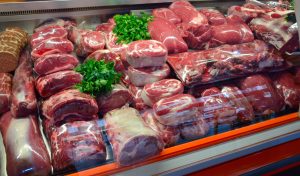
Meat Processing and Technology: A Modern-Day Investigation

In today’s fast-paced world, technology is playing an increasingly important role in all industries, including meat processing. With advancements in robotics and automation, the meat processing industry is undergoing a transformation like never before.

This investigation delves into the use of robots and technology in meat processing and what it means for the future of the meat industry. Speaking of which, only 3% of global industrial robot installations are for food and beverage applications!

The Evolution of Technology in Meat Processing

The journey of technology within the meat processing sector has been a remarkable one, marked by continuous innovation and advancement. Historically, the industry relied heavily on manual labour, with butchers and workers performing the bulk of meat cutting, cleaning, and packaging by hand. The advent of mechanical cutting devices and refrigeration systems in the 19th and early 20th centuries marked the initial steps towards modernisation.

However, it was the later introduction of computer-controlled machinery and sophisticated software that truly revolutionised meat processing. Global robot installations in the food and beverage industry grew by 12% year on year from 2016 to 2021. These technological advancements allowed for greater precision in cuts, improved monitoring of production processes, and enhanced tracking of meat through the supply chain.

The integration of robotics in recent years has further propelled the industry into a new age, where automation and efficiency reign supreme. This technological evolution has not only reshaped the operational dynamics of meat processing but also set new standards for safety, quality, and productivity in the sector.
Types of Robots and Technologies Used in Meat Processing

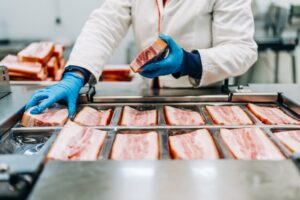
In the realm of meat processing, a diverse array of robots and technological systems plays pivotal roles. Automation in this sector has seen the introduction of highly specialised robots capable of performing tasks with astonishing accuracy and speed. Among these, robotic arms have become indispensable for their precision in cutting and trimming meat, ensuring uniformity that manual processing could rarely achieve.

Moreover, advanced vision systems are employed to inspect meat quality, using sophisticated algorithms to detect imperfections or contaminants that might compromise safety standards. Packaging robots, equipped with the capability to handle delicate operations, have also been instrumental, streamlining the packing process whilst minimising waste and maximising efficiency.

Additionally, technologies such as RFID tagging and blockchain are being integrated to bolster traceability from farm to fork, offering unparalleled transparency in the supply chain. These innovations signify a significant shift towards a more efficient, safe, and sustainable approach in meat processing, heralding a new era for the industry.

Benefits of Using Robots in Meat Processing

The incorporation of robotics into meat processing heralds a multitude of advantages that extend beyond mere efficiency gains. For starters, the precision and consistency afforded by automated systems enhance the quality of meat products, ensuring that each item meets stringent safety and quality benchmarks. This not only mitigates the risk of contamination but also elevates consumer confidence in the products they consume.

Furthermore, the automation of repetitive and physically demanding tasks reduces the incidence of workplace injuries, contributing to a safer working environment for all involved. By streamlining operations and optimising resource use, robotics also play a crucial role in minimising waste, thereby promoting a more sustainable approach to meat processing.

This shift towards automation, while upfront costs may be significant, ultimately drives down operational expenses, offering a long-term return on investment that can significantly bolster a company’s bottom line.

Challenges and Drawbacks of Automation in the Industry

Whilst the integration of robotics within meat processing heralds numerous advancements, it inevitably brings to light certain hurdles. One poignant issue lies in the displacement of labour, as machines assume roles traditionally occupied by human workers, sparking debates over job security and the future workforce landscape. The automation journey is also not without its technical hitches. Systems can experience malfunctions or breakdowns, leading to operational disruptions that can be costly and time-consuming to rectify.

Furthermore, the initial investment in these sophisticated technologies can be prohibitively expensive for smaller enterprises, potentially widening the gap between large and small players in the industry. Navigating these challenges requires a balanced approach, focusing on innovation while considering the socio-economic implications of widespread automation.
Impact on Workers and Employment in the Meat Industry

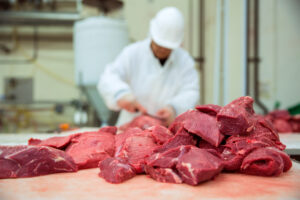
The emergence of robotics and automation in meat processing has brought about a significant period of change for workers and employment in the sector. Whilst it is true that some roles traditionally carried out by humans are being replaced by machines, this transition also opens up opportunities for the creation of new jobs, particularly those focused on overseeing, maintaining, and programming these automated systems. The need for a skilled workforce to manage and interact with these technologies emphasises the importance of ongoing training and development programmes.

Therefore, businesses in the industry must prioritise investing in their staff, providing opportunities to acquire new skills and competencies relevant to this technologically advanced working environment. This approach not only facilitates the transition to a more automated future but also helps to maintain a sense of job security among employees, reassuring them that their roles are evolving rather than disappearing.

This dynamic shift presents an opportunity to improve the quality of employment within the meat processing industry, promoting a workforce that is adaptable, skilled, and prepared to meet the demands of a modernised sector.

Consumer Perception and Market Trends

In the meat processing industry, consumer attitudes are profoundly influenced by concerns over food safety, ethical standards, and environmental sustainability. This shift in consumer behaviour underscores the necessity for transparency and accountability from farm to table. The integration of technologies such as blockchain and RFID tagging is instrumental in meeting these demands, providing consumers with the assurance they seek regarding the origin and handling of their meat products.

Moreover, the market is increasingly favouring companies that leverage technology to bolster food safety and quality, positioning these businesses as leaders in a competitive landscape. Staying attuned to these consumer preferences and market trends is crucial for industry players aiming to remain relevant and succeed in a rapidly evolving sector.

The move towards technology-driven processes, therefore, not only caters to operational efficiency but also aligns with the growing consumer emphasis on ethical and sustainable meat consumption.
Read More:

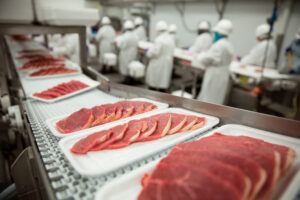
“A Technological & Sustainable Approach to Meat Inspection”

The Ultimate Guide to King Crab Season

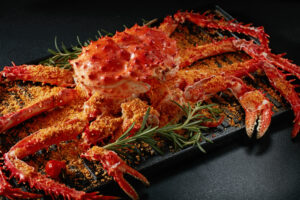
King crab season is a much-anticipated time of year for seafood enthusiasts and those in the meat trade alike. This exquisite crustacean, often considered the crown jewel of the sea, has captivated the palates of many with its delicate flavour and tender, succulent meat. If you’re a fan of premium seafood, king crab is an experience like no other, and we’re here to tell you why it’s worth the wait.

King crabs are harvested from the frigid waters of the North Pacific Ocean, with the most sought-after varieties coming from Alaska. These crabs are not only impressive in size, with their legs often spanning over a metre, but they also boast a unique taste profile that’s both sweet and briny, with a richness that’s hard to rival. The prime season for Alaskan king crab typically runs from October to January, a brief window that makes this seafood delicacy even more special.

With our extensive experience in the meat industry, we believe king crab is something truly exceptional. Whether you’re in the restaurant business, a retail butcher, or simply a seafood lover, there’s a lot to appreciate about this seasonal treat. So, let’s dive into the details and discover what makes king crab so special.

Why King Crab?

King crab is celebrated not just for its taste, but also for its nutritional value. It’s a great source of high-quality protein, making it an excellent choice for those looking to enjoy a healthy yet indulgent meal. Additionally, king crab is rich in omega-3 fatty acids, which are known to support heart health and reduce inflammation. It also provides a good dose of essential vitamins and minerals, including zinc, copper, and selenium.

King Crab Varieties

If you’re wondering, “Isn’t all king crab the same?” let us clear that up for you. There are three main species of king crab: Red, Blue, and Golden. The Red King Crab is the most prized, known for its superior flavour and the largest legs of the three. Blue King Crab has a slightly milder taste but still offers the rich, sweet meat that king crab lovers crave. Golden King Crab, while smaller and less commonly found, is more affordable and still delivers a delicious eating experience.

How to Enjoy King Crab

King crab is incredibly versatile, and there are countless ways to prepare it to suit different tastes and occasions. Whether you’re serving it up in a fine dining restaurant or preparing it at home for a special dinner, here are a few ways to make the most of your king crab:

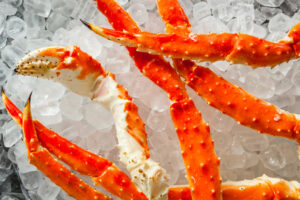
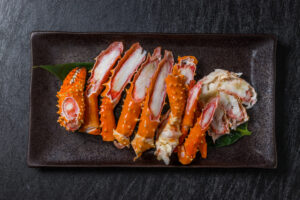
King Crab Legs

Budget: higher price range

Health: high health benefits

Ideal for: restaurants, retail butchers

The legs are the most popular and easiest to work with. They can be steamed, boiled, or grilled and are often served with melted butter and a squeeze of lemon to accentuate their natural flavour. For a more luxurious touch, try them with a garlic butter sauce or even a spicy chilli dip.

King Crab Claws

Budget: Moderate

Health: High health benefits

Ideal for: Wholesalers, retail butchers

The claws of the king crab are slightly more difficult to extract meat from, but the reward is worth the effort. Claws can be cracked open and enjoyed with the same accompaniments as the legs, or used as the star ingredient in a crab salad or sandwich.

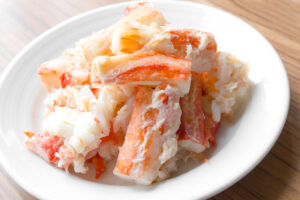
King Crab Meat

Budget: Low to moderate

Health: High health benefits

Ideal for: Manufacturers, restaurants

Pre-cooked king crab meat is available in some markets, making it a convenient option for creating dishes like crab cakes, salads, or seafood pasta. It’s a versatile ingredient that can upgrade any meal with its sweet and tender texture.

Sustainable Sourcing

One of the most important aspects of king crab season is ensuring that these creatures are sourced sustainably. Overfishing and environmental changes have made it crucial to support practices that allow king crab populations to thrive for future seasons. Always look for suppliers who follow sustainable fishing guidelines, ensuring that you’re enjoying your seafood in an environmentally responsible way.

King crab season is a time of indulgence and celebration for seafood lovers. Its unique flavour, nutritional benefits, and versatility make it a standout choice for those looking to offer something special on their menu or enjoy a memorable meal at home. With so many ways to prepare and savour king crab, the possibilities are endless. So, when the season arrives, make sure you don’t miss out on this ocean delicacy. 

Check out our deep dive into Atlantic Salmon here!

From Knighthood to Culinary Delight: The History of The Sirloin

One of the meat industry’s most popular cuts is the sirloin. With its medieval history and versatility for cooking, it’s easy to see why.

Grilled, roasted, pan-seared, or even as leftovers in a sandwich, this cut of beef has a delicious and long-standing history in British culture and cuisine.

Perhaps the most famous story in the history of the sirloin is attributed to the myth that King James I had coined the phrase by knighting a cut of beef at a feast held at Houghton Hall in Lancaster during a grand feast, proudly declaring “Arise Sir Loin”. Whilst a very charming story, the history of the sirloin is more accurately whittled down to its linguistic roots, coming from the French “Surlonge” to mean ‘above or below the loin’.

Nonetheless, it is a deliciously rich and tender cut of beef making it an especially popular choice for steak.

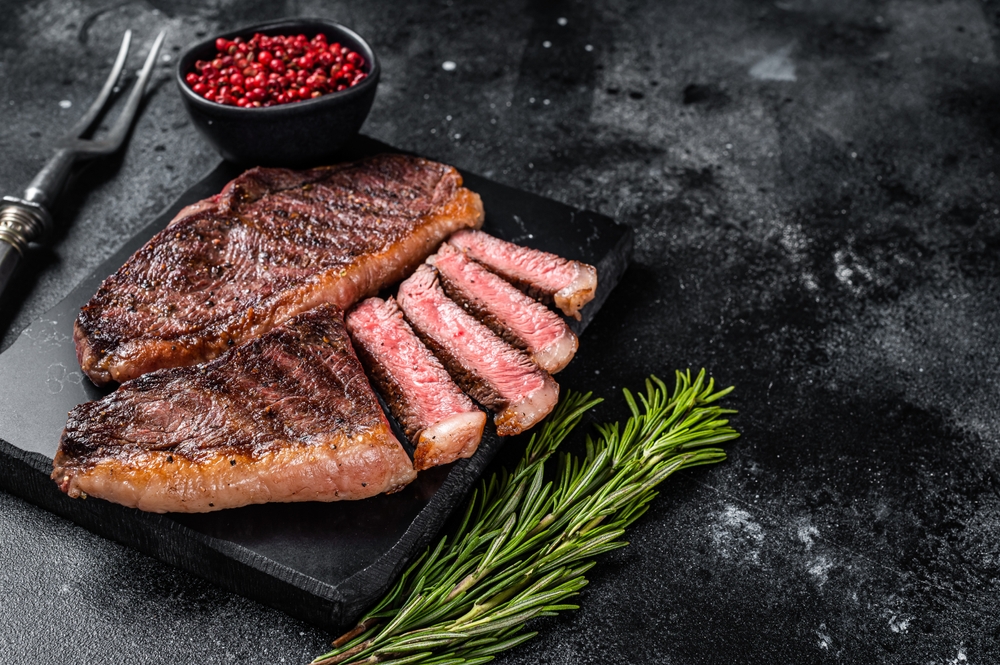
Sirloin cuts are often the thinner portions of a steak, having high protein and low fat content. Although the sirloin is a leaner cut of steak with less marbling than the rib eye, it is far from dry.

Top sirloin is one of the most popular sirloin cuts, with the bones and harder muscles removed to produce a more delicate and juicy steak.

Red meat is a high-protein food that is essential for muscle health, and both of these steaks include a lot of protein per serving. Steak contains Vitamin B12, Vitamin B6, iron, phosphorus, and zinc, all of which your body requires daily to function properly.

Lucy Vardy | Meatex

See More:

Menu that sparked the legend of knighting joint of beef ‘sirloin’ goes up for auction

Meatindex

Beef Sirloin

The Parson’s Nose and other unfashionable cuts of meat

Shoppers once filled their baskets with rib-eye steaks, chicken breasts, and pork shoulders. Those cuts still dominate, but rising food prices are pushing people to look again at overlooked parts of the carcass. In butcher’s shops and kitchens, a quiet revival is underway. Unfashionable cuts of meat are stepping back into the spotlight.

Consider brawn, or head cheese. Families once boiled a pig’s or calf’s head to make a cold terrine, sliced and served with bread and pickles. Though it fell out of fashion, many who rediscover it find a dish that is rich, filling, and full of character.

Another example is sweetbreads. These tender glands from calves or lambs carry a delicate flavour and cook beautifully when treated with care. In skilled hands, they rival the best steaks.

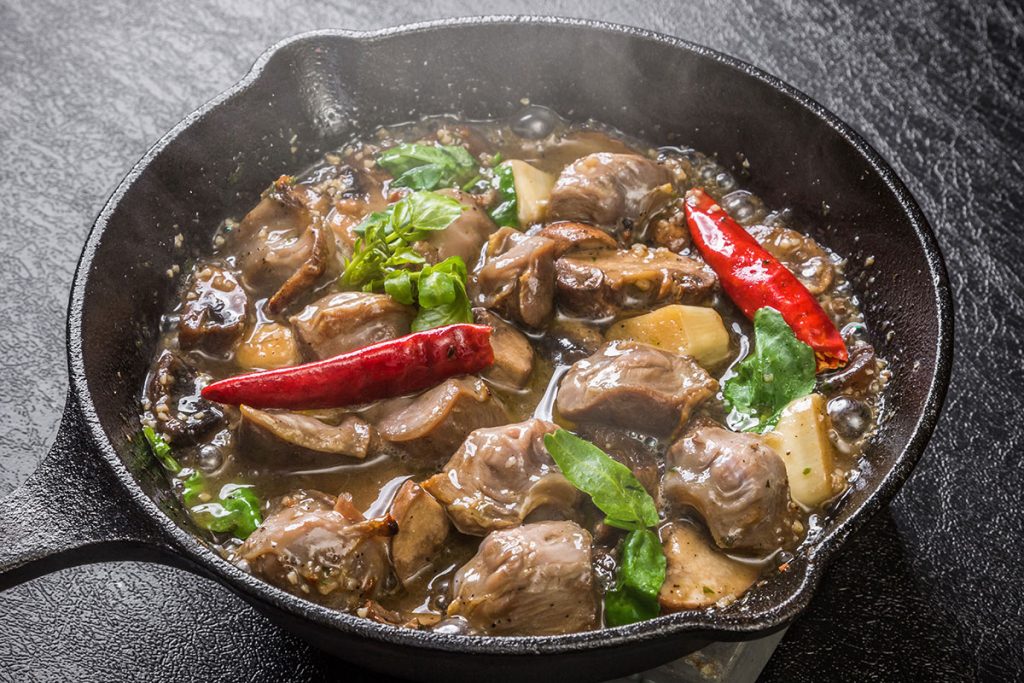
Across the globe, chicken gizzards remain popular. In Poland, they enrich stews. Korean cooks stir-fry them with spice and sesame. In Britain, they often end up as pet food, but slow braising transforms them into something memorable.

Trotters and calves’ feet once played a vital role in British pies and jellies. Packed with natural gelatine, they gave structure and depth. Today, they are harder to find, but curious shoppers are asking for them again, drawn by flavour and value.

And then there is the Parson’s nose—the fatty tail end of a bird. Mocked in Britain, yet loved in Japan, where yakitori stalls sell it as bonjiri, this cut proves that taste often depends on culture.

Each of these examples tells a story. Once common, later dismissed, and now slowly returning, they highlight how every part of an animal has a use. In a time of higher prices and growing focus on waste, these forgotten cuts may well become tomorrow’s everyday staples.

The odd

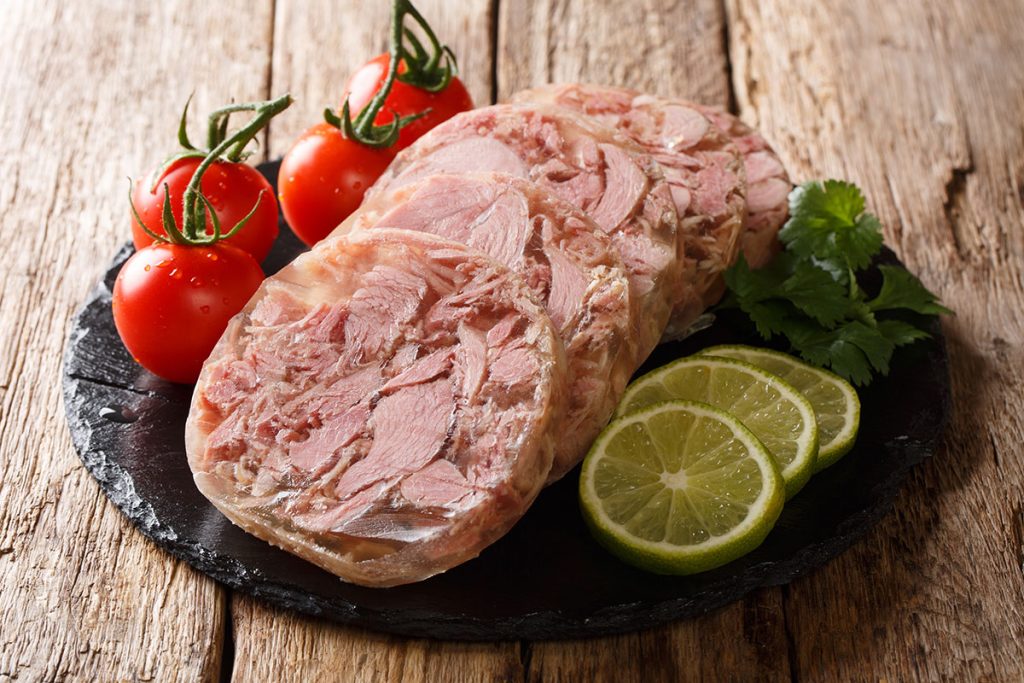
Head cheese (brawn)

An American term for a cut of meat that is traditionally known as brawn in the UK, head cheese has absolutely nothing to do with cheese.

It is a kind of terrine made by boiling the head of a pig or a calf. It generally includes the flesh of the head and without the brain, eyes or ears. The head is boiled with herbs and spices over several hours so the collagen in the bones melts into the broth, creating a jelly once it’s cooled.

After boiling, the meat is strained, picked off the bones and chopped or shredded and placed in a dish. The broth is poured over and the whole dish is left to chill and solidify. The end result is a terrine with the shredded meat suspended in a meat jelly.

Brawn or head cheese is usually eaten cold and sliced for sandwiches or as a wedge of meat to sit with other cold cuts, cheeses and crackers, and it goes well with English mustard. The odd name comes from the Dutch “hoofdkaas”, which literally translates as “head-cheese”. It’s thought cheese here refers to the soft texture of the dish.

We also found a 17th century recipe for brawn that uses “two buttocks” of an unspecified animal which are put in a pot in the oven with pepper, cloves, nutmeg, mace, salt and wine, and boiled for seven hours. If you thought “head cheese” was an odd name, please don’t think too hard about what this version might have been called!

Head cheese (brawn)

Sweetbreads

Despite the name, sweetbreads contain neither sugar nor flour. They are the thymus gland, and sometimes the pancreas, taken mainly from young calves (veal) or lambs. Beef and pork sweetbreads exist but appear less often.

Unlike general offal, sweetbreads hold a special status among chefs and food lovers. After soaking and blanching, they can be grilled, braised, or fried. When fried, the crisp outer layer gives way to a soft, creamy centre that makes meat enthusiasts rave. Their rich flavour pairs well with sharp accompaniments such as lemon, which cut through the depth of the meat.

Because they come from young animals, sweetbreads carry a higher price tag. They are far from the cheapest option, yet they deserve mention. Cooked with care, they remain one of the most indulgent and overlooked cuts of meat.

Sweetbreads

The cheap

Chicken Gizzards

Chicken gizzards remain one of the most economical cuts of meat, yet many people in the UK hardly know them. In the Southern United States, they feature in comfort classics like fried gizzards. Across Southeast Asia, street vendors grill them on skewers and serve them kebab-style. You may have even seen them already — they usually come in the giblet pack inside a whole roasting chicken.

The gizzard is a unique organ found only in birds. Since birds have no teeth, they swallow small stones that sit in the gizzard. Strong muscles then grind the food against the stones to aid digestion. It may not sound appetising, but don’t worry — commercially sold gizzards arrive fully cleaned. What’s left is dark, flavourful meat that tastes similar to other parts of the chicken. Better still, it’s cheap.

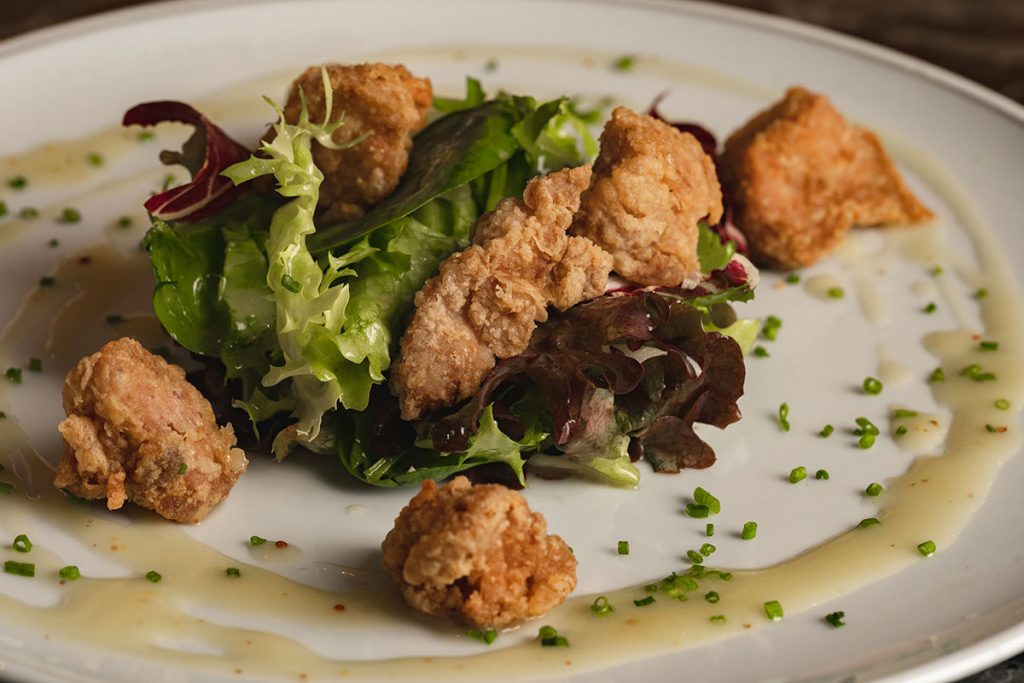
Cooking gizzards does require patience. Slow braising works best, as it allows collagen in the muscle to break down into gelatine, leaving the meat tender. Once braised, you can stir-fry them, batter and deep-fry them, serve with sauce, or add them to stews and casseroles. Polish cuisine has a traditional gizzard stew, while Korean kitchens often stir-fry them with chilli and garlic. Both show just how versatile this humble cut can be.

Fried chicken gizzards

Calves Feet and Pigs Trotters

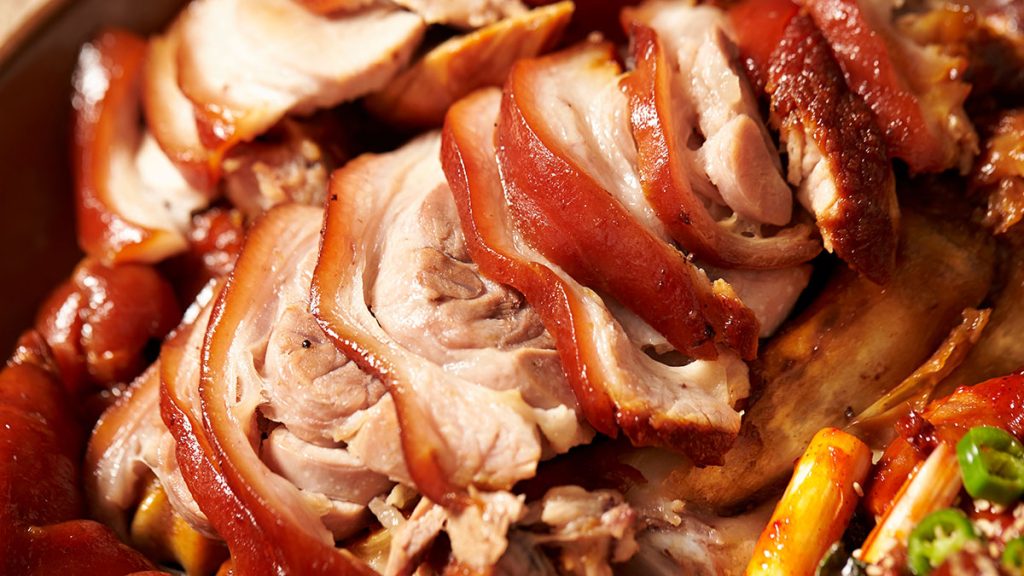
Calves feet and pigs trotters rank among the most economical cuts of meat. At first glance, a whole trotter might not look appetising, but history tells a different story. In Victorian times, they appeared on both grand dinner tables and humble family plates. Cooks would boil them with lemon, cinnamon, sugar, and wine, then strain the liquid and leave it to set into delicate jellies.

These cuts offer far more than sweet puddings. When boiled, they release natural gelatine that thickens soups, stews, and sauces. Pork pies gain their classic jelly from trotters, while traditional Ashkenazi cuisine uses calves’ feet to prepare P’tcha — a savoury jelly served with chopped egg.

Cooking methods vary. Roast them for crisp edges, poach them for softness, or braise them until the meat turns tender and moist. Done right, they deliver deep flavour and a melt-in-the-mouth texture that surprises anyone willing to give them a chance.

Pigs trotters

… and the slightly rude

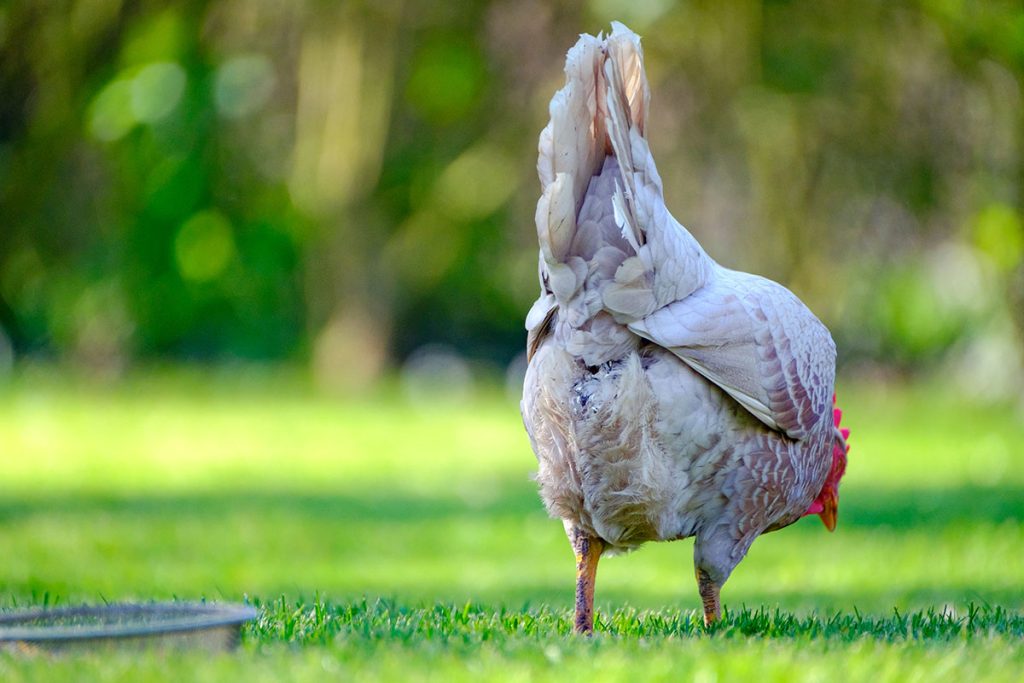
Parson’s nose

It’s not a nose at all, it’s the fleshy part surrounding the final few bones in the spine of a chicken or a turkey, where the tail feathers are attached. In other words it is the bird’s rear end. Said to be named because a parson would always “have his nose in the air” much like a chicken’s bum.

Other names include “pope’s nose”, “sultan’s nose”, “chicken butts” or the anatomically correct, but more boring, pygostyle. It’s the fattiest part of the chicken because it houses the oil glands used by the bird to preen its feathers and, much like other cuts featured in this blog, it contains a lot of collagen and connective tissue. When cooked slowly, this makes the meat incredibly tender and soft, not to mention delicious.

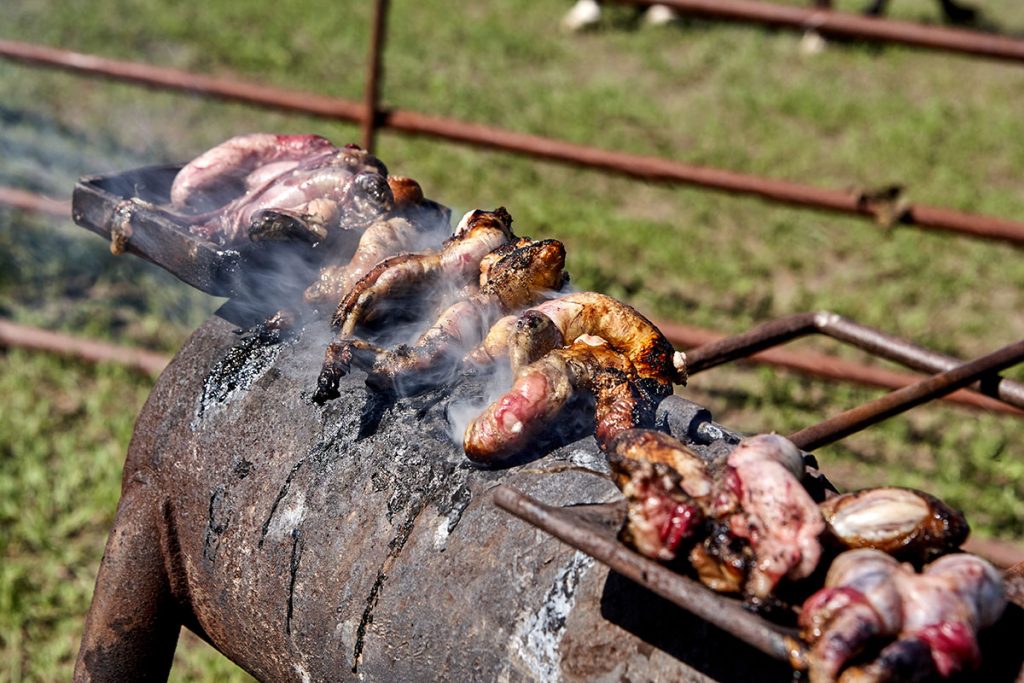
  • In Japan, the parson’s nose is popular in yakitori restaurants and is called bonjiri or sakaku. It’s seasoned with salt or tare sauce and grilled over charcoal.
  • In China the pygostyle is used to make soups and soup stock.
  • In Taiwan, it’s threaded onto skewers and barbecued with spices and marinades, and sold at night markets.

Chicken

Parson’s Nose

Despite its name, the Parson’s nose has nothing to do with noses. It is the fleshy part at the end of a chicken or turkey’s spine, where the tail feathers attach. In plain terms, it’s the bird’s rear. The name supposedly comes from the old saying that a parson always “had his nose in the air,” much like a chicken’s behind.

This cut goes by many names: “pope’s nose,” “sultan’s nose,” “chicken butt,” or the more anatomical but less charming “pygostyle.” It also happens to be the fattiest part of the bird, as it houses the oil glands used for preening feathers. Like other collagen-rich cuts, it rewards slow cooking with soft, tender meat and a deep, savoury flavour.

Around the world, the Parson’s nose has a loyal following. In Japan, yakitori stalls grill it over charcoal and serve it as bonjiri or sakaku, seasoned with salt or tare sauce. Chinese cooks drop it into soups and stocks, while in Taiwan it often appears skewered, spiced, and sold at bustling night markets.

Once dismissed in the UK as little more than a joke, this humble cut shows that flavour often hides in the least fashionable places.

Rocky mountain oysters

Now that we’ve expanded your meat horizons, if you’re looking for a weird cut of meat that’s not on our website, get in touch.

The Origins of Corned Beef

Corned beef has a succulent taste and a rich history. The story of its journey stretches across continents and centuries, shaping food traditions worldwide. If you have ever wondered about the origins of corned beef, this guide explains how it became a staple of trade and cuisine.

The term “corned beef” comes from the old English word corn. It referred to the coarse salt grains once used in the curing process. Before refrigeration, salting meat was vital for survival. Ancient Chinese and Roman records show they preserved beef in this way.


In medieval Europe, salt was scarce and valuable. Curing beef with salt allowed communities to store food through harsh winters and long voyages. In Ireland, abundant cattle and access to salt meant corned beef quickly became a staple.

By the 17th century, Ireland’s salted beef gained global recognition. The country exported large volumes to North America and the Caribbean. Irish immigrants also carried their food traditions overseas, helping corned beef take root abroad.

In New England, settlers embraced corned beef with potatoes and cabbage. This combination became the famous corned beef and cabbage dish, now linked to Irish-American culture and St Patrick’s Day. In the Caribbean, local cuisines reshaped the product into meals such as Jamaican bully beef stew, mixing corned beef with tomatoes, onions, and spices.

The 19th and 20th centuries introduced canning. This technology turned corned beef into a long-lasting pantry essential and boosted its global popularity. Today, it remains a versatile product for wholesalers, caterers, and retailers. From premium British cuts to international imports, corned beef delivers flavour, value, and heritage.

The origins of corned beef reveal more than food history. They highlight how trade, migration, and culinary creativity connect people and cultures across time.

What is Wagyu beef?

What Is Wagyu Beef?

If you’ve ever asked yourself what is Wagyu beef, you’re not alone. This world-renowned meat is celebrated for its unmatched quality, rich taste, and exceptional tenderness. The word Wagyu literally translates to Japanese cow, and it refers to four main breeds: Japanese Black, Japanese Brown, Japanese Polled, and Japanese Shorthorn. These cattle are known for their unique genetics and ability to develop superior marbling.

The hallmark of Wagyu is its intense intramuscular fat, or marbling, which gives the beef its buttery texture and melt-in-the-mouth tenderness. This marbling also produces a deep, savoury flavour that sets Wagyu apart from other premium beef.

Among the most famous varieties are Kobe, Matsusaka and Omi. Kobe beef, perhaps the best known, must come from Tajima-strain Japanese Black cattle raised in Hyōgo Prefecture under strict conditions.

Matsusaka beef is equally prestigious, prized for its delicate texture and rich umami character, often compared to foie gras.

Wagyu’s grading system ensures consistent standards, with A5 beef representing the highest level of quality. Careful breeding and strict animal welfare practices underpin this reputation. The beef’s fat has a higher proportion of monounsaturated fats, which melt at a lower temperature and release more flavour on the palate.

For wholesalers, butchers and foodservice buyers, Wagyu represents an opportunity to offer customers a truly premium experience. Whether you’re supplying high-end restaurants or retail outlets, sourcing Wagyu beef through Meatex gives you access to quality-assured suppliers across the UK and Europe. Explore our Beef category today to see the latest wholesale offers.


See also:

British Wagyu cattle numbers double in 2023

‘Next big thing for meat’: Aldi launches British Wagyu products

US beef breeder – British beef needs to change direction

Taste of Japan: Wagyu beef a cut above


The Meatex Masterclass – A Tour de Force Through the Various Meat Cuts!

Meat Cuts Guide – Introducing the Meatex Masterclass

Welcome to the Meatex Masterclass: the essential meat cuts guide for trade buyers, chefs and food lovers. This educational journey will help you understand beef, lamb, pork and poultry cuts with ease.

When you walk into a butcher’s shop or browse wholesale meat online, the range of cuts can feel overwhelming. Each one has unique qualities, cooking methods and value. However, by learning the basics, you can choose the right cut for every menu and customer.

Beef Cuts

Beef offers both premium and practical options. The tenderloin, also known as filet mignon, delivers unrivalled tenderness. In contrast, the T-bone steak combines filet with sirloin for a perfect balance of flavour. For cost-effective menus, the brisket is ideal. It rewards slow cooking with melt-in-the-mouth texture.

Lamb Cuts

Lamb remains a favourite for quality dining. The leg of lamb makes an impressive centrepiece. Meanwhile, lamb shoulder suits braising or roasting, offering rich flavour. In addition, lamb chops provide quick, tender portions that work well for foodservice menus.

Pork Cuts

Pork is versatile and consistently popular. The rib section brings crowd-pleasers such as baby back ribs, perfect for grilling or smoking. Furthermore, the pork shoulder is a classic choice for pulled pork. The ham, whether cured or smoked, shines as a festive highlight.

Poultry Cuts

Poultry is a cornerstone of the meat trade. A whole chicken roasted to golden perfection offers unbeatable value. Juicy chicken thighs adapt to countless recipes, from curries to casseroles. Finally, the traditional turkey remains a centrepiece during Christmas and holiday feasts.

BLOG: Borough Market: An Adventure into London’s Food Haven

Borough Market: London’s Food Haven Adventure

Step into Borough Market, London’s food haven with over a millennia of history. Nestled in Southwark, this storied market evolved from wholesale roots to a vibrant destination teeming with artisanal food experiences and global cuisine.

In the 19th century, the market became a crucial hub for meat traders thanks to urban expansion and the arrival of railways—boosting demand for meat as London grew beyond recognition. Today, visitors wander through atmospheric passageways that brim with premium cuts of beef, lamb, pork, game, and poultry, offered by specialty butchers known for quality and culinary creativity.

Modern Borough Market continues to thrive as a retail and culinary destination. It showcases top-tier produce, international street food, and a unique fusion of heritage and innovation. The market connects visitors directly to the stories behind each product—from the origins of artisan cheeses to the heritage of marine catches, creating a rich, sensory experience.

Whether you’re sourcing inspired ingredients or simply savouring London’s diverse food culture, Borough Market, London’s food haven, offers something unforgettable. Immerse yourself in stalls, flavours, and traditions that define this city’s food legacy.

Borough Market London’s food haven with meat and produce stalls

By Lucy Vardy

Read More:

https://boroughmarket.org.uk/market-blog/borough-market-began-with-a-bridge/

https://hidden-london.com/gazetteer/borough/

Whatsapp Help
WhatsApp us!