What is Great British Beef Week?
Great British Beef Week 2024.
Great British Beef Week (GBBW) is a nationwide campaign in the UK that celebrates the versatility and exceptional taste of British beef.
It also highlights the commitment and dedication of British beef farmers to sustainable practices.
The 14th annual GBBW is set to begin on Tuesday, 23 April 2024, and aims to inspire families to enjoy British beef in various dishes, from traditional Sunday roasts to innovative recipes incorporating global flavors1.
The campaign is supported by various organizations, including the Agriculture and Horticulture Development Board (AHDB), and features collaborations with food influencers, sharing of farmer stories, and promotional events to raise awareness of British beef’s quality and sustainability.
The Origins of Corned Beef
Corned beef has a succulent taste and a rich history. The story of its journey stretches across continents and centuries, shaping food traditions worldwide. If you have ever wondered about the origins of corned beef, this guide explains how it became a staple of trade and cuisine.
The term “corned beef” comes from the old English word corn. It referred to the coarse salt grains once used in the curing process. Before refrigeration, salting meat was vital for survival. Ancient Chinese and Roman records show they preserved beef in this way.

In medieval Europe, salt was scarce and valuable. Curing beef with salt allowed communities to store food through harsh winters and long voyages. In Ireland, abundant cattle and access to salt meant corned beef quickly became a staple.
By the 17th century, Ireland’s salted beef gained global recognition. The country exported large volumes to North America and the Caribbean. Irish immigrants also carried their food traditions overseas, helping corned beef take root abroad.
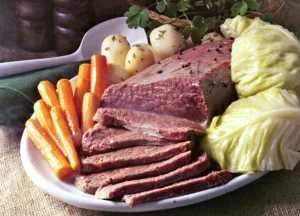
In New England, settlers embraced corned beef with potatoes and cabbage. This combination became the famous corned beef and cabbage dish, now linked to Irish-American culture and St Patrick’s Day. In the Caribbean, local cuisines reshaped the product into meals such as Jamaican bully beef stew, mixing corned beef with tomatoes, onions, and spices.
The 19th and 20th centuries introduced canning. This technology turned corned beef into a long-lasting pantry essential and boosted its global popularity. Today, it remains a versatile product for wholesalers, caterers, and retailers. From premium British cuts to international imports, corned beef delivers flavour, value, and heritage.
The origins of corned beef reveal more than food history. They highlight how trade, migration, and culinary creativity connect people and cultures across time.